
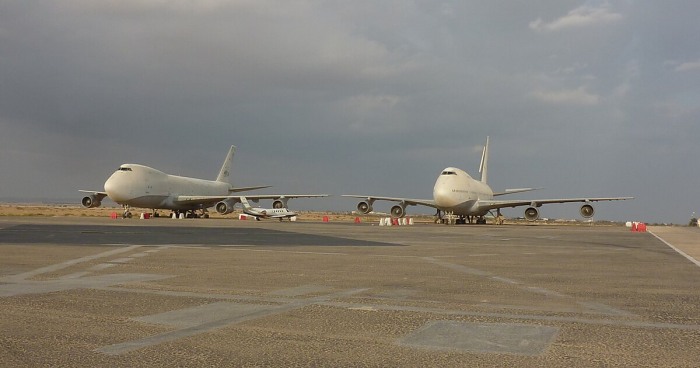
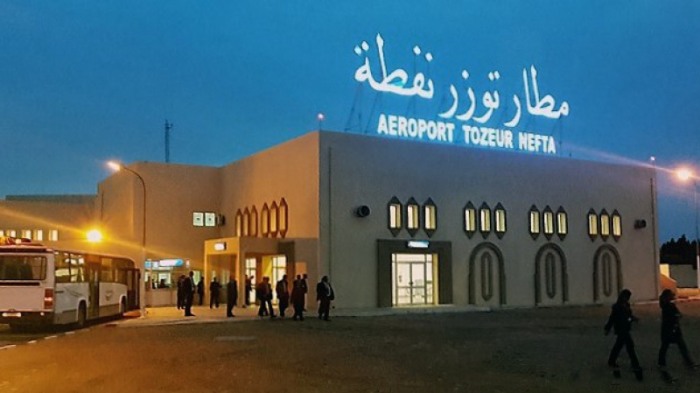
In the remote southwestern region of Tunisia, at Tozeur–Nefta International Airport, two silent relics of aviation history have remained untouched for more than three decades. These aircraft, once operated by Iraqi Airways, are not merely abandoned machines; they are enduring symbols of how geopolitical events can shape the fate of even the most advanced airliners.
From Strategic Assets to Desert Exiles
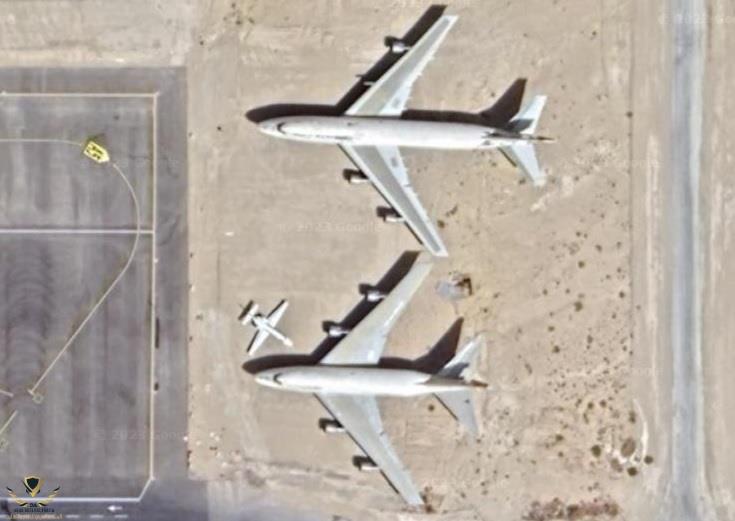
The aircraft are a Boeing 747-200C and a Boeing 747SP, both valuable components of Iraq’s long-haul fleet at the time. The 747SP, in particular, stood out for its unique design and extended range and was reportedly used for high-level government transport.
Their relocation to Tunisia was a direct consequence of the Gulf War in 1991. As coalition air operations intensified, Iraq sought to safeguard parts of its aviation assets by moving them beyond immediate threat zones. Tunisia, distant from the conflict and diplomatically viable, was selected as a temporary sanctuary. Credible aviation sources indicate that the aircraft were repainted to obscure their identity, further emphasizing the urgency and strategic nature of the move.
A Conflict That Never Truly Ended for the Aircraft
Although the war itself came to an end, the situation for these aircraft did not. Their return to Iraq became entangled in a complex web of international sanctions, legal disputes, and financial claims, particularly those arising from the conflict with Kuwait. As a result, the aircraft remained grounded in Tunisia, with no clear ownership resolution or pathway for repatriation.
Over time, what was meant to be a temporary relocation evolved into long-term abandonment. The harsh desert environment gradually deteriorated the aircraft, affecting both their structural integrity and internal systems. While there have been periodic efforts to sell or recover them, none have led to a definitive outcome. Today, they remain visible even in satellite imagery, unchanged in position yet increasingly worn by time.
Recommended: https://www.aviationfile.com/the-boeing-747-a-giant-in-aviation-history/
A Lasting Mark on Aviation History
The presence of these two Boeing 747s in the Tunisian desert is remarkable not only because of their size but also because of the circumstances that led to their fate. It is highly unusual for wide-body aircraft of such value to be left behind outside the context of retirement or planned storage.
More broadly, their story highlights the vulnerability of civil aviation assets to geopolitical forces. Aircraft, often seen as symbols of global connectivity, can themselves become stranded by the very international dynamics they are designed to serve. In this sense, the abandoned 747s at Tozeur–Nefta stand as a rare and compelling intersection of aviation, politics, and history.