Juan Camilo Mouriño Aircraft Accident (2008)
On 4 November 2008, Mexico experienced one of the most shocking aviation tragedies in its modern history. A Learjet 45 carrying senior government officials crashed into a densely populated area of Mexico City, killing everyone on board and several people on the ground. Among the victims was Juan Camilo Mouriño, the country’s Interior Minister at the time.
The accident immediately raised serious concerns about flight safety in congested urban airspace, VIP operations, and the underestimated dangers of wake turbulence.

The Flight and the Accident
The Learjet 45 was on a domestic flight bound for Mexico City International Airport (MMMX). Weather conditions were reported as acceptable, and there were no indications of technical malfunction prior to the final phase of flight.
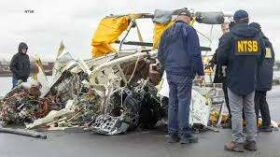
During the approach and descent, the aircraft suddenly entered an uncontrolled attitude, rapidly lost altitude, and crashed in the Santa Fe district, a busy business and residential area. The impact and subsequent fire caused significant destruction on the ground.
A total of 14 people lost their lives—nine on board the aircraft and five on the ground.

Initial Speculation and Public Reaction
Given Mouriño’s political position and the ongoing fight against organized crime in Mexico at the time, early public reaction focused heavily on the possibility of:
- Sabotage
- Terrorism
- Missile or external attack
However, aviation authorities and international investigators urged caution, emphasizing the need for a technical and operational investigation rather than political assumptions.
Official Investigation Findings
After a detailed investigation involving Mexican authorities and international aviation experts, the final report reached a clear conclusion:
The accident was caused by wake turbulence encounter and loss of control.
Key findings included:
- The Learjet 45 was following a Boeing 767 on approach
- Insufficient longitudinal separation was maintained
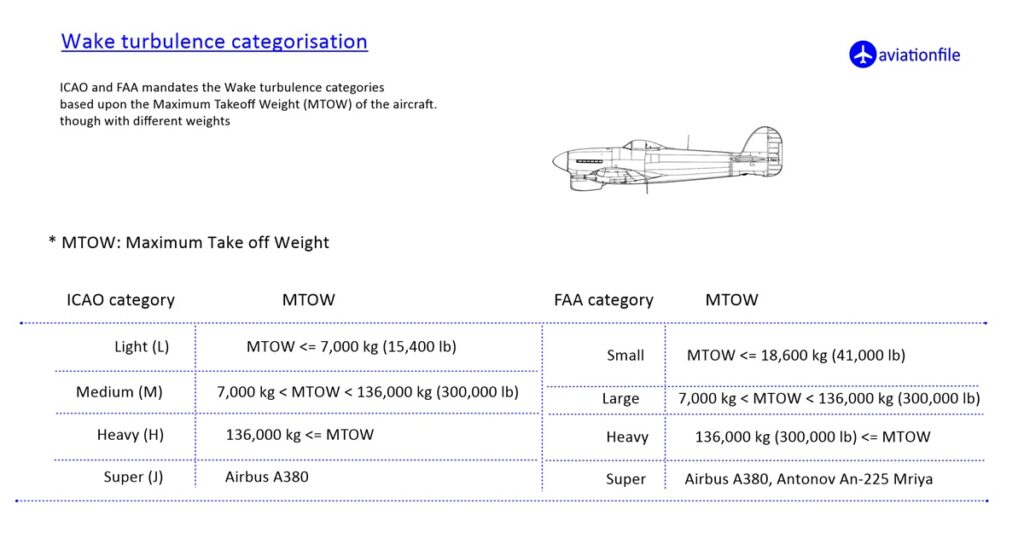
- The smaller jet encountered strong wake vortices generated by the heavier aircraft
- Pilots experienced roll upset and rapid loss of control
- Inadequate speed management and high descent rate reduced recovery margins
Crucially, investigators found no evidence of sabotage, explosives, or hostile action.
Why Wake Turbulence Was Critical
Wake turbulence is often associated with takeoff and landing phases, especially when:
- A light or medium aircraft follows a heavy aircraft
- Aircraft are operating in busy terminal airspace
- Crews underestimate the persistence and strength of wake vortices
In this case, the Learjet’s performance envelope left very little time and altitude for recovery once the aircraft entered the vortex.
This accident became a powerful reminder that wake turbulence is not theoretical—it can be fatal when separation rules or operational discipline are compromised.
Lessons for Aviation Safety
The Juan Camilo Mouriño accident highlighted several enduring safety lessons:
- Strict wake turbulence separation must always be respected
- VIP and government flights are subject to the same aerodynamic laws as any other aircraft
- Crew training must emphasize upset recovery and energy management
- Air traffic control sequencing plays a critical role in terminal-area safety
Following the accident, Mexico reviewed both ATC procedures and pilot training programs, particularly for business jets operating behind heavy aircraft.
A Lasting Impact
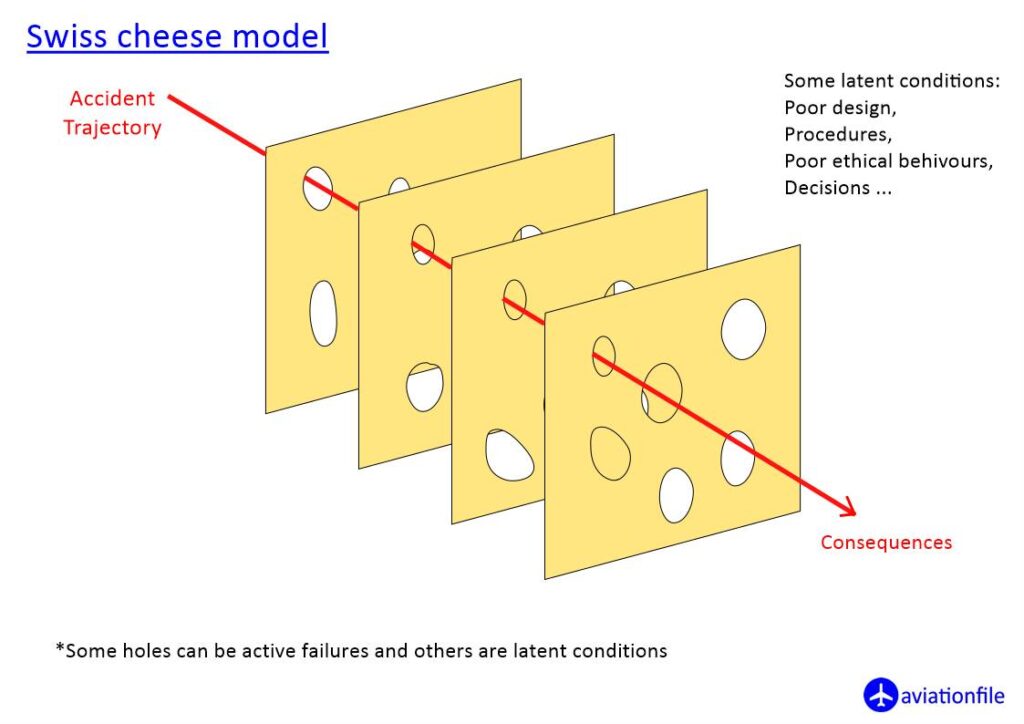
More than a political tragedy, this accident remains a case study in modern aviation safety. It demonstrates how a chain of small operational decisions—none dramatic on their own—can combine into a catastrophic outcome.
Today, the crash of Juan Camilo Mouriño’s aircraft is frequently referenced in discussions on wake turbulence awareness, urban airport risk, and human factors in high-pressure operations.