
Stakeholders play a pivotal role in the operations and success of an airline company. Understanding and effectively managing these stakeholders are crucial for achieving organizational objectives and maintaining smooth operations.
Definition of Stakeholders
Stakeholders are individuals or groups with a vested interest in a company’s activities, outcomes, or projects. In the context of an airline, stakeholders can influence or be influenced by the airline’s operations, policies, and performance.
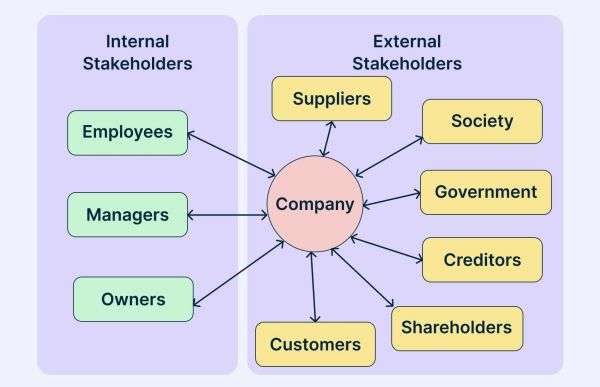
Types of Stakeholders in an Airline Company
- Internal Stakeholders:
- Employees: Pilots, cabin crew, ground staff, maintenance teams, and administrative personnel whose performance directly impacts service quality and safety.
- Management and Shareholders: Individuals involved in strategic decision-making and those invested in the airline’s financial success.
- External Stakeholders:
- Passengers: Customers who utilize the airline’s services and whose satisfaction is essential for repeat business and reputation.
- Regulators and Government Authorities: National civil aviation authorities and government agencies responsible for implementing and enforcing aviation regulations.
- International Organizations and Industry Associations: ICAO develops international Standards and Recommended Practices (SARPs), while IATA represents airlines and develops many commercial and operational industry standards and practices.
- Suppliers and Partners: Entities providing aircraft, fuel, catering, and other essential services.
- Airport Authorities: Organizations managing airport facilities and services that airlines rely on for operations.
- Local Communities: Residents and businesses in areas surrounding airports affected by airline operations.
- Investors and Financial Institutions: Parties providing capital and financial services critical to the airline’s fiscal health.
Stakeholders vs. Shareholders in Aviation
In aviation, stakeholders include all individuals and groups affected by the industry’s operations. This covers passengers, pilots, air traffic controllers, governments, and local communities. Their concerns go beyond profits, focusing on safety, service quality, and environmental impact.
Shareholders, on the other hand, are investors who own shares in airlines, airports, or manufacturers like Boeing or Airbus. Their primary interest is financial performance, aiming for returns on investment through profits and stock value.
For example, during a pilot strike, stakeholders like passengers and regulators focus on service disruption, while shareholders worry about financial losses and stock prices. Both groups influence aviation decisions, but their priorities differ significantly.
| Aspect | Stakeholders | Shareholders |
|---|---|---|
| Definition | People or groups affected by aviation operations. | Individuals or entities owning shares in aviation companies. |
| Primary Concern | Safety, service quality, and sustainability. | Financial returns and stock performance. |
| Examples | Passengers, pilots, regulators, communities. | Investors in airlines, airports, Boeing, Airbus. |
| Influence | Indirect (feedback, regulations, activism). | Direct (voting rights, decisions at meetings). |
Stakeholder Management Strategies in Airline Companies
Effective stakeholder management is essential for smooth operations in the airline industry. Airlines must begin by identifying and prioritizing stakeholders such as employees, passengers, regulatory bodies like IATA and ICAO, suppliers, and airport authorities. Stakeholders can be prioritized using tools such as a Power–Interest Matrix, while a RACI Matrix can clarify their roles and responsibilities within specific projects or decisions.
Building transparent communication channels is crucial to maintain trust, especially during flight delays or policy changes. Engaging stakeholders early in projects, such as launching new routes or introducing sustainability programs, helps manage expectations and avoid conflicts. Airlines also benefit from standardizing business requirements, ensuring compliance with global standards set by IATA and ICAO to maintain safety and consistency.
Airlines should actively address stakeholder concerns through feedback loops, using tools like passenger surveys and employee engagement programs to gather insights and improve services. Additionally, fostering long-term relationships with key stakeholders, such as airport authorities and suppliers, enhances collaboration and efficiency. Leveraging technology solutions like CRM systems can further streamline stakeholder interactions and ensure timely responses.
By adopting these strategies, airlines can manage their stakeholders effectively, ensuring operational stability and long-term success.
The Role of ICAO, IATA and National Regulators as Aviation Stakeholders
The International Air Transport Association (IATA) and the International Civil Aviation Organization (ICAO) are key regulatory stakeholders in the aviation industry, playing a crucial role in shaping global airline operations. IATA represents airlines worldwide, setting safety, security, and efficiency standards, while promoting industry best practices. ICAO, a specialized UN agency, establishes global aviation policies, including air traffic regulations and environmental guidelines. Both organizations ensure that airlines operate within internationally agreed frameworks, enhancing safety and connectivity. Effective compliance with IATA standards and industry practices, and ICAO regulations helps airlines maintain smooth operations, build trust with passengers, and meet global aviation standards.
Stakeholder Analysis Techniques
Effectively managing stakeholders involves several key steps:
- Identification: Recognizing all parties affected by the airline’s operations or projects.
- Prioritization: Assessing stakeholders based on their influence and interest to determine engagement levels.
- Understanding: Gaining insights into stakeholders’ needs, expectations, and potential impact on the airline.
Techniques such as brainstorming, interviews, document analysis, and focus groups are commonly employed to gather this information.
Stakeholder Analysis and Mapping Tools
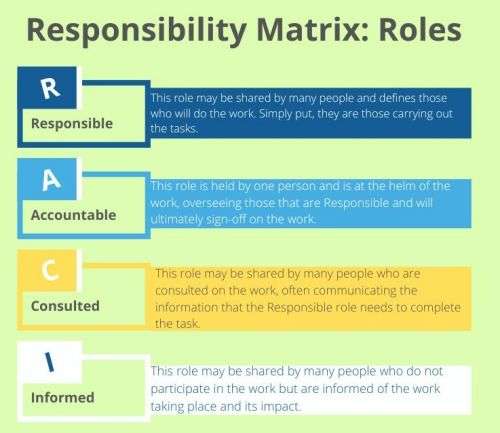
- RACI Matrix: A tool that clarifies stakeholder roles by categorizing them as Responsible, Accountable, Consulted, or Informed for specific tasks or decisions.
- Onion Diagram: A visual representation illustrating the relationship of stakeholders to the project or organization, with the core representing the project and surrounding layers indicating stakeholder proximity and influence.
Importance of Standardization in Business Requirements
Standardization ensures uniformity in processes and practices across the airline, leading to:
- Safety: Consistent procedures enhance operational safety.
- Quality and Compatibility: Uniform standards ensure service quality and system compatibility.
- Clarity and Predictability: Standardized requirements reduce ambiguity, facilitating better understanding among stakeholders.
- Knowledge Retention and Transfer: Standard practices aid in preserving and disseminating organizational knowledge.
Managing Scope Creep
Scope creep refers to uncontrolled changes or continuous growth in a project’s scope, often leading to project delays and budget overruns.
Scope creep is closely linked to stakeholder management because uncontrolled or poorly evaluated stakeholder requests can gradually expand a project beyond its original objectives. In airline projects—such as introducing new routes, implementing IT systems, or launching sustainability initiatives—clear stakeholder communication and formal change-control processes help prevent additional requirements from causing delays, higher costs, and resource strain.
- Clear Communication: Ensuring all stakeholders have a shared understanding of project objectives and constraints.
- Impact Analysis: Evaluating the effects of proposed changes on time, cost, and resources.
- Prioritization: Determining the importance and necessity of new requirements.
- Embracing Necessary Changes: Adapting to changes that align with strategic goals while mitigating negative impacts.
Conclusion
In the dynamic environment of the airline industry, effective stakeholder management is vital. By identifying, analyzing, and engaging with both internal and external stakeholders, airlines can enhance operational efficiency, ensure compliance with regulations, and achieve strategic objectives. Standardization of business requirements and vigilant management of scope creep further contribute to the successful execution of projects and initiatives within the airline sector.
Recommended: Machine Learning in the Aviation Industry: A Comprehensive Analysis
Further Reading:
- https://www.researchgate.net/publication/224152894_Analysis_of_airport_stakeholders
- https://www.caa.co.uk/passengers-and-public/environment/environmental-stakeholders/environmental-stakeholders/
- https://www.iata.org/contentassets/77ec9a8c8a864daaa00bdb7f5de02902/beginners-guide-to-airline-sustainability-reporting-april2024.pdf?
- https://www.icao.int/how-icao-develops-standards
- https://www.iata.org/en/about/mission?