
Aviation safety has continually evolved through better training, procedures, and technology. Among the most important safety innovations in modern aircraft is the Ground Proximity Warning System (GPWS) — a system designed to prevent one of aviation’s most dangerous types of accidents: Controlled Flight Into Terrain (CFIT).
Understanding the Purpose of GPWS
A Ground Proximity Warning System (GPWS) is an onboard safety system that alerts pilots when an aircraft is in immediate danger of flying into the ground or an obstacle. Traditional GPWS primarily monitors the aircraft’s proximity to the terrain below using radio altitude and other flight parameters. Unlike enhanced systems, it does not provide predictive terrain awareness based on a forward-looking terrain database.
The Federal Aviation Administration (FAA) classifies GPWS under the broader family of terrain awareness and warning systems (TAWS), and this classification includes both traditional GPWS and its more modern counterpart, the Enhanced GPWS (EGPWS).
Why GPWS Matters: Preventing CFIT Accidents
Before GPWS was widely adopted in the 1970s, CFIT accidents — where a fully functioning aircraft under pilot control inadvertently hits terrain or an obstacle — were one of the leading causes of fatal crashes in commercial aviation. The introduction of GPWS significantly reduced the frequency of these accidents by providing timely warnings that allow pilots to take corrective action before it’s too late.

How the System Works
At its core, GPWS continuously monitors aircraft flight data, including:
- Altitude above ground — measured using a radar altimeter, giving real-time height information directly beneath the aircraft.
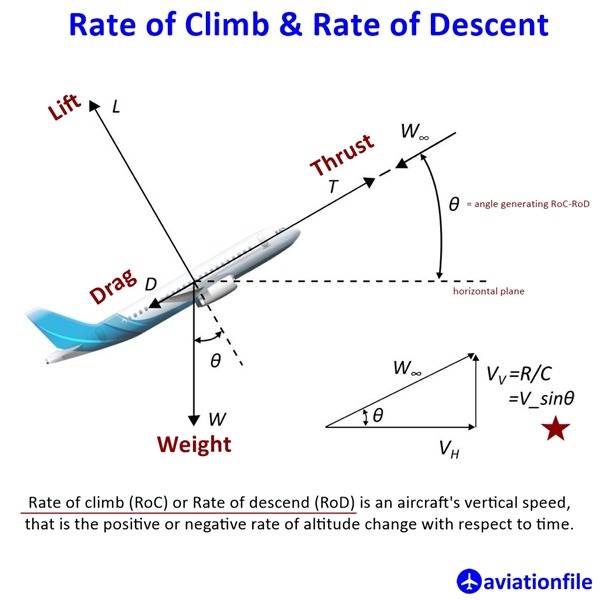
- Rate of descent and climb — to determine if the aircraft’s flight path is unsafe.
- Flight configuration — such as landing gear and flaps positions, which influence safe flight parameters.
When the system detects conditions that indicate a risk of collision with the ground or an obstacle, it issues aural and visual warnings in the cockpit. These include alerts such as “SINK RATE,” “TERRAIN,” or the urgent command “PULL UP!” — prompting the flight crew to execute an immediate escape maneuver.
Modes of GPWS Alerts
GPWS uses predefined safety rules — often called “modes” — that trigger alerts based on specific flight conditions:
- Excessive descent rate — warning if the aircraft is descending too steeply.
- Rapid terrain closure — when the aircraft is approaching terrain faster than safe limits.
- Altitude loss after take-off or go-around — catching unintended descent during climb or missed approach.
- Unsafe terrain clearance — when terrain below is too close relative to current flight profile.
- Deviation below glide slope — warning if the aircraft is significantly below the correct approach path.
In addition to these five basic modes, certain GPWS and EGPWS implementations include Mode 6 for advisory callouts and Mode 7 for windshear-related alerts. These additional functions depend on the system configuration and aircraft installation.
These modes help ensure that the system detects a wide range of potentially hazardous flight conditions, especially near airports and mountainous terrain.
EGPWS: The Next Generation
Traditional GPWS systems rely heavily on the aircraft’s immediate altitude and descent data. This means they can have a “blind spot” — particularly for terrain ahead of the aircraft, which may be outside the direct radar altimeter range.
To overcome this, aviation equipment manufacturers developed the Enhanced Ground Proximity Warning System (EGPWS). EGPWS adds:
- Forward-looking terrain awareness — using GPS position and a built-in terrain and obstacle database.
- Predictive algorithms — that anticipate future terrain threats based on aircraft trajectory.
- Visual display integration — showing terrain and potential conflicts on cockpit displays.
Modern EGPWS systems may also incorporate functions such as Forward-Looking Terrain Avoidance (FLTA), which predicts potential terrain conflicts along the aircraft’s projected flight path, and Terrain Clearance Floor (TCF), which provides additional protection against unsafe descent near airports. These features help address important limitations of traditional GPWS.
These enhancements give pilots more time to assess and react, making EGPWS far more effective than earlier GPWS versions — especially in challenging environments.
Operational and Regulatory Context
International aviation regulators, including the International Civil Aviation Organization (ICAO) and the FAA, require terrain awareness systems on large and turbine-powered aircraft to enhance safety and reduce CFIT risk.
Standard operating procedures (SOPs) also dictate how pilots must respond to GPWS warnings. In many cases, a “warning” command demands immediate corrective action, such as climbing away from the terrain, regardless of other ongoing tasks.
Conclusion: A Key Pillar of Flight Safety
The Ground Proximity Warning System is one of aviation’s most effective safety technologies. By continuously monitoring terrain clearance and providing timely alerts to pilots, GPWS — and especially its enhanced variants — dramatically reduces the risk of controlled flight into terrain accidents. Integrated into modern avionics suites, GPWS contributes to the remarkable safety record of today’s commercial aviation.
References and Further Reading:
- https://skybrary.aero/gpws
- https://www.icao.int/sites/default/files/APAC/RASG/SafetyTools/01-Model-Regulation-on-Ground-Proximity-Warning-System.pdf
- https://www.faa.gov/sites/faa.gov/files/pilots/FAA-H-8083-15B.pdf
- https://nbaa.org/aircraft-operations/communications-navigation-surveillance-cns/terrain-awareness-and-warning-systems-taws-ground-proximity-warning-systems-gpws/