
Landing on or taking off from the wrong runway represents a significant aviation safety hazard, potentially leading to serious operational consequences. Such incidents can result from a combination of human factors, communication errors, situational awareness deficiencies, and airport layout complexities. Depending on the circumstances, wrong-runway operations may create collision risks, disrupt airport operations, and require immediate corrective action. Understanding their causes, potential consequences, and preventive measures is essential for improving runway safety and reducing operational risks.
Immediate effects:
- Collision risk: Wrong-runway operations can create serious collision hazards, particularly when another aircraft or vehicle is occupying the runway. Depending on the circumstances, these events may result in ground collisions, conflicts between arriving and departing aircraft, or collisions with obstacles.
- Runway incursion: A wrong-runway landing or takeoff may constitute a runway incursion, depending on the circumstances and applicable reporting definitions. A runway incursion involves the incorrect presence of an aircraft, vehicle, or person within the protected area of a runway designated for landing and takeoff.
- Go-around: If pilots identify a runway mismatch during an approach, initiating a go-around may be the safest course of action. A go-around is a standard aviation safety procedure rather than an inherently dangerous maneuver. The appropriate response depends on the phase of flight, aircraft performance, and prevailing operational conditions.
Recommended: Runway Rubber Removal Techniques: Enhancing Runway Safety and Performance
Long-term effects:
- Operational and reputational consequences: Serious wrong-runway incidents or accidents may lead to operational disruptions, investigations, additional costs, and reputational damage. The extent of these consequences depends on the severity and circumstances of the event.
- Safety investigations and procedural improvements: Wrong-runway occurrences may prompt aviation authorities, airport operators, and airlines to review existing procedures, identify contributing factors, and introduce targeted safety improvements.
- Technological improvements: Lessons learned from runway safety events can support the development and implementation of technologies such as airport surface surveillance systems, runway status lights, and approach runway verification tools.
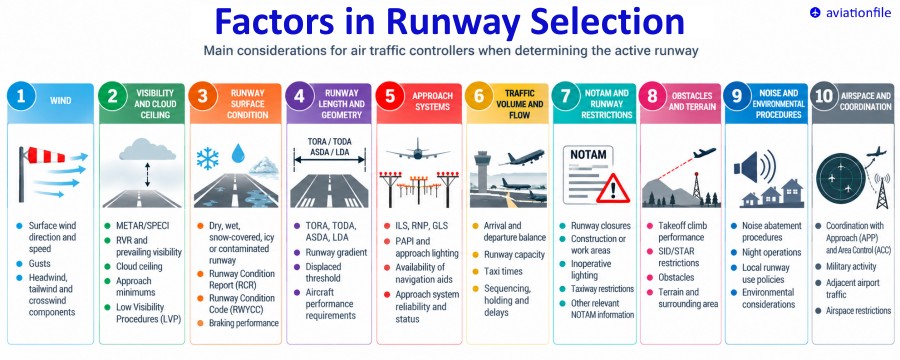
Real-World Example: Comair Flight 5191
On August 27, 2006, Comair Flight 5191, a Bombardier CRJ-100, crashed during takeoff from Blue Grass Airport in Lexington, Kentucky. Although cleared for Runway 22 (7,003 feet), the crew mistakenly attempted to depart from Runway 26 (3,501 feet), which was too short for the planned takeoff.
The aircraft overran the runway and crashed, killing 49 of the 50 people on board. The NTSB identified the crew’s failure to verify the correct runway as the primary cause, with nonessential cockpit conversation and procedural deficiencies contributing to the accident.
The tragedy highlights the critical importance of runway identification, situational awareness, and cockpit discipline.
Source: NTSB – Comair Flight 5191 Accident Investigation
Minimizing the risks:
Preventing wrong-runway operations requires a combination of effective pilot training, situational awareness, appropriate airport infrastructure, and clear communication between pilots and air traffic controllers. Flight crews should consistently verify runway identification using available visual and instrument references, maintain awareness of their assigned runway, and apply appropriate cross-checking procedures during taxi, approach, and departure.
Airport design also plays an important role in reducing the risk of runway confusion. Clear runway and taxiway markings, properly positioned signs, effective lighting systems, and well-designed airport layouts help pilots identify the correct runway, particularly during low-visibility conditions or operations at unfamiliar airports.
Equally important is effective communication between pilots and air traffic controllers. Clear instructions, accurate readbacks and hearbacks, and timely clarification of any uncertainty can help prevent runway identification errors. In addition, modern surveillance and alerting technologies can provide further safeguards by helping detect potential runway conflicts before they develop into serious incidents or accidents.
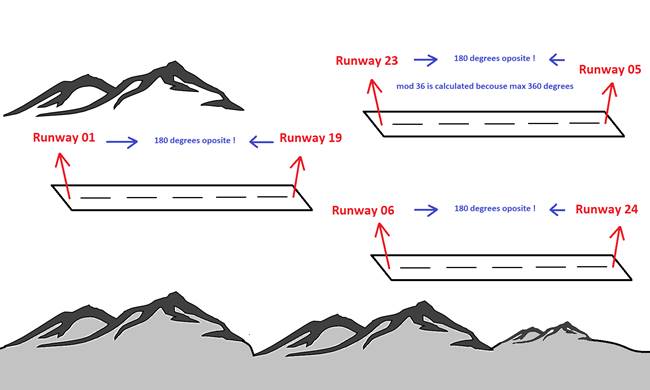
Wrong-runway operations remain an important aviation safety concern that requires coordinated preventive measures. Effective pilot training, accurate runway identification, clear ATC–pilot communication, appropriate airport infrastructure, and modern surveillance technologies can collectively reduce the likelihood of such events. A proactive approach to runway safety is essential for identifying potential hazards before they develop into serious incidents or accidents.
References:
- International Civil Aviation Organization (ICAO). (2007). Manual on the Prevention of Runway Incursions (Doc 9870, 1st ed.). Official ICAO document.
- Federal Aviation Administration (FAA). (n.d.). Runway Incursions. FAA Runway Safety Resources.
- Federal Aviation Administration (FAA). (2026). Arrival Alert Notices (AAN). FAA Arrival Alert Notices.
- Federal Aviation Administration (FAA). (2024). Pilot Best Practices for Airfield Safety. FAA Safety Guidance.
- National Transportation Safety Board (NTSB). (2007). Attempted Takeoff From Wrong Runway: Comair Flight 5191, Bombardier CL-600-2B19, N431CA, Lexington, Kentucky, August 27, 2006 (NTSB/AAR-07/05). NTSB Accident Investigation.
- Federal Aviation Administration (FAA). (2024). Runway Incursion Mitigation Fiscal Year 2023 Annual Summary Report (DOT/FAA/TC-24/12). FAA Technical Report.