
When headlines report that a Boeing 777 has declared an emergency, the wording often sounds dramatic to the general public. From an aviation perspective, however, such declarations usually reflect a deliberate, preventive safety decision rather than an immediate threat to the aircraft or its occupants. The recent case involving Air France Flight AF191 is a clear and instructive example of how modern aviation safety systems function as intended (12 January 2026).
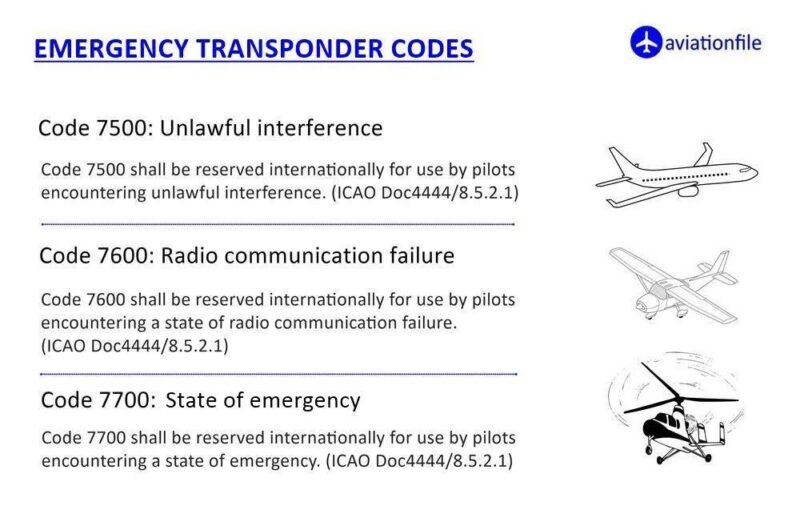
Air France AF191 was operating a scheduled flight from Bengaluru to Paris Charles de Gaulle with a Boeing 777-200ER. While cruising over Central Asia, the flight crew identified a technical abnormality and subsequently transmitted Squawk 7700, the internationally recognized transponder code for a general emergency (12 January 2026). Following standard procedures, the crew decided to divert the aircraft to Ashgabat International Airport, where the aircraft landed safely without injuries.
Available information from credible aviation-focused sources indicates that the emergency declaration was linked to a technical issue, most likely associated with engine parameters or engine-related indications. In airline operations, such an event does not necessarily imply loss of control or a hazardous flight condition. The Boeing 777 is certified to continue flight safely on a single engine and is designed with multiple layers of redundancy. Nevertheless, airline safety philosophy favors early risk containment over operational continuation, especially on long-haul flights.
Summary Table
| Item | Details |
|---|---|
| Airline | Air France |
| Flight Number | AF191 |
| Route | Bengaluru (VOBL) → Paris Charles de Gaulle (LFPG) |
| Aircraft Type | Boeing 777-200ER |
| Aircraft Registration | F-GSPI |
| Engines | Twin-engine wide-body (ETOPS certified) |
| Date of Incident | 12 January 2026 |
| Time of Emergency Declaration | En-route (exact cockpit timestamp not publicly released) |
| Transponder Code | Squawk 7700 (General Emergency) |
| Diversion Airport | Ashgabat International Airport |
| Landing Time | Approx. 03:38 local time (Ashgabat) |
| Reported Cause | Technical issue (likely engine-related indication) |
| Injuries | None reported |
| Outcome | Safe diversion and landing; aircraft grounded for inspection |
From the cockpit perspective, declaring an emergency serves a very specific operational purpose. It ensures immediate priority handling from air traffic control, reduces workload during an abnormal situation, and guarantees that emergency services are available upon landing. Selecting Squawk 7700 is therefore not a sign of escalation, but rather a structured communication tool that increases safety margins and predictability during non-normal operations.
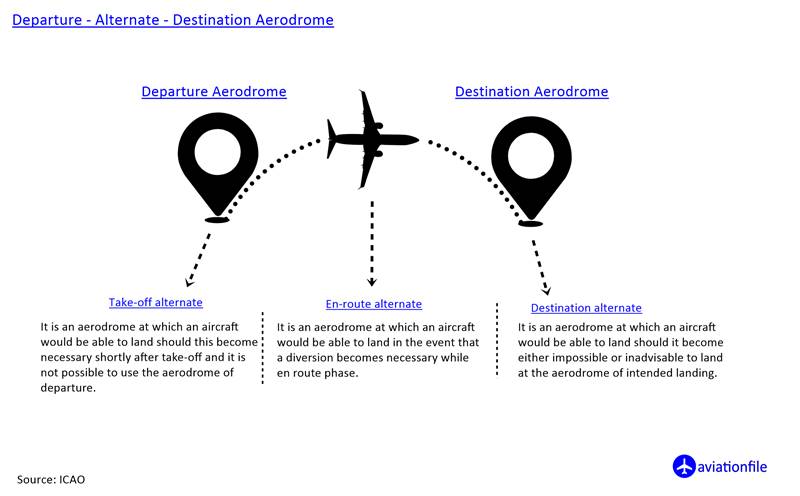
The diversion to Ashgabat followed established decision-making logic. The airport offered suitable runway length, rescue and firefighting capability, and proximity relative to the aircraft’s position. After landing, the aircraft was taken out of service for technical inspection, while passengers were accommodated and later transported onward using alternative arrangements. This conservative post-landing approach aligns with industry best practices and reflects the “no-go until resolved” mindset that underpins commercial aviation safety.
Viewed through an aviation safety lens, the Air France AF191 incident demonstrates how well-integrated systems—aircraft design, crew training, operational procedures, and air traffic management—work together to manage uncertainty. The key takeaway is not the presence of a technical issue, but the quality of the response. The crew identified the problem early, communicated clearly, and chose the safest operational outcome.

In conclusion, the phrase “B777 declares emergency” should be understood within the context of modern safety culture. Rather than signaling danger, it often indicates professionalism, discipline, and adherence to procedures. The Air France AF191 event reinforces a core principle of aviation: safety is preserved not by denying problems, but by addressing them decisively before they escalate.