
A flight isn’t just “takeoff–cruise–landing.” In aviation, phases (or stages) of flight are a structured way to describe what the aircraft and crew are doing from the moment the operation begins on the ground until it ends at the destination stand. This shared language matters because it links directly to procedures, performance planning, ATC expectations, and—most importantly—safety analysis. Global occurrence databases (used for trend analysis) even classify events by “phase of flight,” because risks and typical errors change dramatically from one phase to another.
In everyday operations you’ll see slightly different “phase sets” depending on the purpose: pilot training texts focus on handling and technique; safety taxonomies focus on consistent reporting; ATM performance models focus on climb/cruise/descent behavior. The good news is that these systems map cleanly onto each other.
What “phase of flight” means in official usage
In safety reporting, the phase of flight is the operational segment during which an event occurs, using standardized definitions so data is comparable across countries and operators. ICAO-aligned taxonomies define phases such as taxi, takeoff, climb, cruise, descent, approach, landing, and their sub-segments, precisely so investigators and safety programs can analyze trends reliably.
In regulations, you’ll also see “critical phases of flight”—a narrower idea focused on workload and risk, typically including takeoff, final approach, missed approach, landing roll, and any other phase the commander determines is critical.

Pre-flight and ground preparation: where the flight really starts
Operationally, “flight” begins well before the wheels turn. Performance calculations, fuel planning, route/NOTAM/weather review, and aircraft configuration decisions happen here, and they shape every later phase. Training handbooks emphasize that checklists and performance planning are not “admin work”; they’re part of flying safely and predictably.
Even in highly automated cockpits, pre-flight is the phase where crews build the mental model: expected departure runway, initial climb profile, constraints, top of climb/descent, approach type, minima, and threats (windshear, icing, convective activity, runway contamination, etc.). When something goes wrong later, the quality of this setup often determines how much margin you have.
Recommended: ILS (Instrument Landing System)
Taxi and surface movement: low speed, high complexity
Taxi looks simple, but the environment is information-dense: signage, lighting, hotspots, crossing flows, stop bars, and last-minute changes. Many safety taxonomies treat taxi as distinct segments (e.g., taxi-out vs taxi-in) because risk patterns differ.
A practical way to think of taxi: it’s a navigation exercise at low speed with high consequences—especially in low visibility or complex airports.
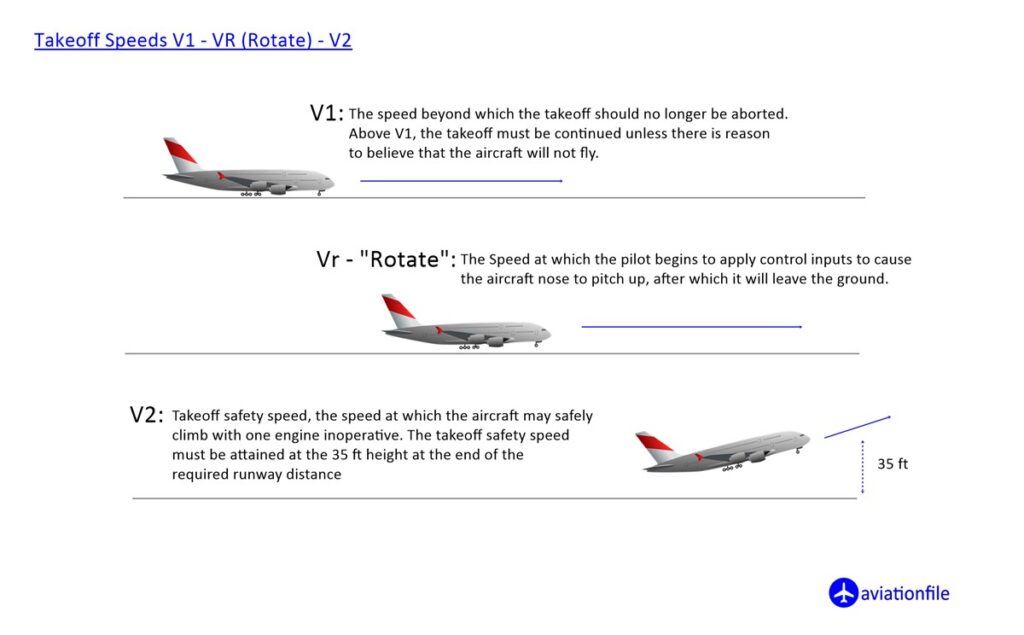
Takeoff: the performance cliff-edge
Takeoff is where performance assumptions become reality—density altitude, runway condition, wind component, and configuration converge. Training guidance stresses maintaining takeoff power appropriately and managing the aircraft to a safe climb profile, because the first few hundred feet offer the least time and altitude to recover from surprises.
This is also why many regulations and operators treat takeoff as a critical phase: workload is high, options are limited, and errors are less forgiving.
Initial climb and climb: building margin
After liftoff, the mission is simple: gain energy and altitude efficiently, comply with departure procedures, and transition from runway-centric flying to route-centric flying. In ATM and aircraft-performance modeling, climb is often treated as a primary phase because speed schedules and profiles are standardized for predictable traffic flows.
Operationally, crews manage configuration changes, obstacle clearance, acceleration, and (in airline ops) procedural handoffs—while ATC integrates departures into surrounding traffic.
Cruise (en-route): “stable” doesn’t mean “quiet”
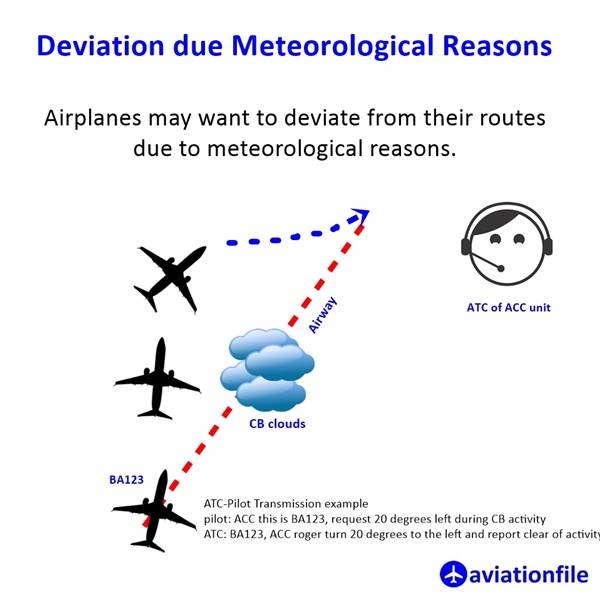
Cruise is usually the most stable segment, which is exactly why it can invite complacency. Official pilot handbooks still treat cruise as an active management phase: monitoring fuel, navigation, weather deviations, aircraft systems, and preparing early for descent and arrival.
In safety taxonomies, cruise can include changes of cruise level and cruise-climb techniques, because those have different risks than level flight.
Descent: trading altitude for time and geometry
Descent is where the flight becomes “terminal-area shaped.” Energy management returns as the core skill: arriving at the right altitude, speed, and track for the approach—without rushing. FAA instrument guidance highlights the need to review descent performance, fuel/time/distance planning, and checklists before starting down.
ATM models also treat descent as a key performance phase because nominal profiles and speed schedules influence capacity and predictability.
Approach: the highest-precision phase
Approach is where navigation accuracy, configuration discipline, and decision-making all peak at once. Training materials emphasize stabilized approach concepts—because a stable energy state and consistent path control reduce the chance of late corrections and runway excursions.
In regulatory language, final approach sits inside the “critical phases of flight,” reflecting the combination of proximity to terrain, high workload, and limited recovery time.
Landing, rollout, and taxi-in: the job isn’t done at touchdown
Landing includes touchdown, deceleration, directional control, and runway exit decisions. Many occurrence definitions extend landing through landing roll—and then treat taxi-in separately until the aircraft stops at the gate or parking area.
A useful mindset is: touchdown is not the finish line; runway exit and safe parking are.
Why different sources describe phases differently
If you compare sources, you’ll notice three “lenses”:
- Safety reporting lens (ICAO-aligned): precise, standardized categories for trend analysis.
- Regulatory/operational lens (critical phases): focuses on phases where workload and risk spike.
- ATM/performance lens (e.g., EUROCONTROL models): focuses on climb/cruise/descent behavior because that’s what drives traffic prediction and capacity tools.
They’re not contradictory; they’re optimized for different tasks.
Conclusion: phases of flight are a map for planning, flying, and learning
Thinking in phases gives structure to everything: what you brief, what you monitor, what you prioritize when workload rises, and how you learn from events. It’s also a powerful framework for teaching—students can connect “what the aircraft is doing” to “what the crew should be doing” at each stage.
References and Further Reading:
- https://www.icao.int/sites/default/files/airnavigation/AIG/ECCAIRS-Aviation-1.3.0.12-VL-for-AttrID-391-Event-Phases.pdf
- https://www.easa.europa.eu/sites/default/files/dfu/Annexes%20to%20Regulation.pdf
- https://www.faa.gov/sites/faa.gov/files/regulations_policies/handbooks_manuals/aviation/airplane_handbook/07_afh_ch6.pdf
- https://www.easa.europa.eu/en/document-library/easy-access-rules/online-publications/easy-access-rules-air-operations?erules-id=ERULES-1963177438-11607