
On 19 May 2024, a tragic helicopter accident occurred in northwestern Iran, claiming the lives of senior Iranian officials and drawing global attention due to both its political significance and the challenging operational environment in which it took place. While several facts have been firmly established by official statements and reputable international media, other aspects of the accident remain subject to ongoing investigation. This article clearly separates confirmed facts from issues that are not yet technically finalized, in line with aviation safety reporting standards.
Confirmed Facts
The helicopter involved in the accident was a Bell 212, a twin-engine utility helicopter widely used for governmental and military transport. The aircraft was part of a three-helicopter convoy returning from the Giz Galasi (Khoda Afarin) dam area, located near the Iran–Azerbaijan border, to the city of Tabriz.

One of the three helicopters in the convoy
The accident took place in the Varzaqan region of East Azerbaijan Province, a mountainous area known for rapidly changing weather conditions and limited accessibility. According to official Iranian announcements, the helicopter crashed in rugged terrain, and all eight occupants on board lost their lives. There were no survivors.
Among those killed were Iranian President Ebrahim Raisi, Foreign Minister Hossein Amir-Abdollahian, East Azerbaijan Governor Malek Rahmati, and the Supreme Leader’s regional representative Mohammad Ali Ale-Hashem, along with the flight crew.
Search and rescue operations were launched immediately but were significantly delayed due to dense fog, low visibility, cold temperatures, and difficult terrain. The wreckage was located several hours later using a combination of ground teams, drones, and aerial reconnaissance. Authorities formally confirmed the deaths after reaching the crash site.

Environmental and Operational Context
It is confirmed that the helicopter was operating in poor meteorological conditions, including low cloud ceilings and fog. Multiple official and media reports consistently stated that weather conditions in the area were unfavorable at the time of flight, particularly for visual flight in mountainous terrain.
Iranian authorities also confirmed that no distress call was received before communication with the helicopter was lost. The aircraft reportedly disappeared from radar shortly before the crash.
What Is Not Yet Fully Confirmed
While weather has been widely cited as a primary contributing factor, it is important to note that no final, publicly released technical accident investigation report has been issued to date. As a result, the exact causal chain of the accident has not been officially concluded in accordance with standard aviation accident investigation practices.
Specifically:
- There is no confirmed evidence, publicly released, of mechanical failure, engine malfunction, or avionics issues.
- Statements describing the event as a “hard landing” or “controlled descent” appeared in early media coverage but were later replaced by official confirmation of a crash.
- Iranian military and government sources stated that no signs of sabotage or foul play were identified during initial assessments; however, this assessment does not replace a finalized accident report.
From an aviation safety perspective, it would therefore be inaccurate to state with certainty that the crash was caused only by weather, even though weather is the most strongly supported contributing factor at this stage.
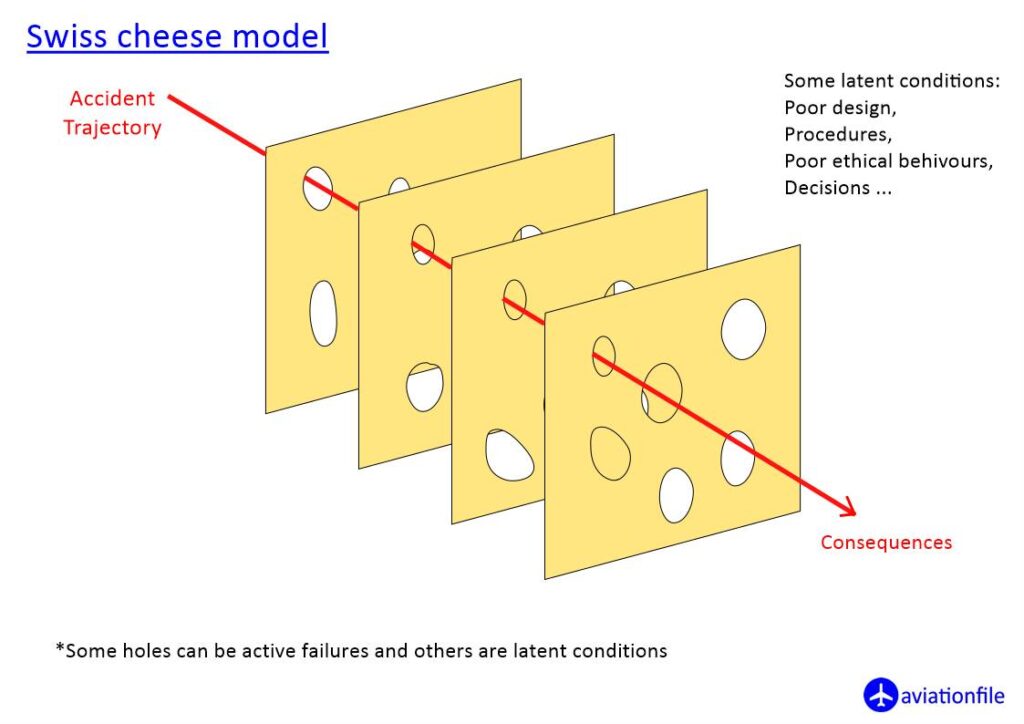
Aviation Safety Perspective
Operations involving VIP helicopter flights in mountainous regions present elevated risk, particularly when conducted under marginal weather conditions. Factors such as terrain-induced weather changes, limited forced-landing options, and reduced situational awareness in fog are well known within rotary-wing operations.
Until a final technical investigation is released, the Varzaqan accident should be classified as a fatal helicopter crash with confirmed adverse weather conditions and unresolved contributing factors.
Conclusion
What is known about the 2024 Varzaqan helicopter crash is tragic, clear, and verified: a Bell 212 carrying Iran’s president and senior officials crashed in mountainous terrain during poor weather conditions, resulting in the loss of all eight occupants. What remains unknown are the precise technical and operational factors that led from adverse conditions to a fatal outcome.
As with all serious aviation accidents, final conclusions must be based on a completed technical investigation, not early assumptions. Until then, responsible reporting requires a careful distinction between confirmed facts and probable but unverified explanations.
Ankara–Departure Aircraft Accident Involving Libyan Military Personnel: What We Know So Far