
Over the past two decades, Türkiye has undergone one of the most significant aviation transformations in its modern history. The country’s civil aviation network expanded rapidly, airport infrastructure grew substantially, Turkish Airlines became one of the world’s largest international carriers, and the domestic aerospace and defense industry emerged as a major global player.
Much of this transformation occurred during the administrations led by Recep Tayyip Erdoğan. While many projects were conceived, designed, and implemented by institutions such as the Ministry of Transport and Infrastructure, the Directorate General of State Airports Authority (DHMI), the Directorate General of Civil Aviation (SHGM), Turkish Airlines, TUSAŞ, Baykar, ASELSAN, TEI, and numerous private-sector organizations, aviation consistently remained a strategic national investment area throughout this period.
Expanding Civil Aviation Infrastructure
Perhaps the most visible change has been the expansion of airport infrastructure.
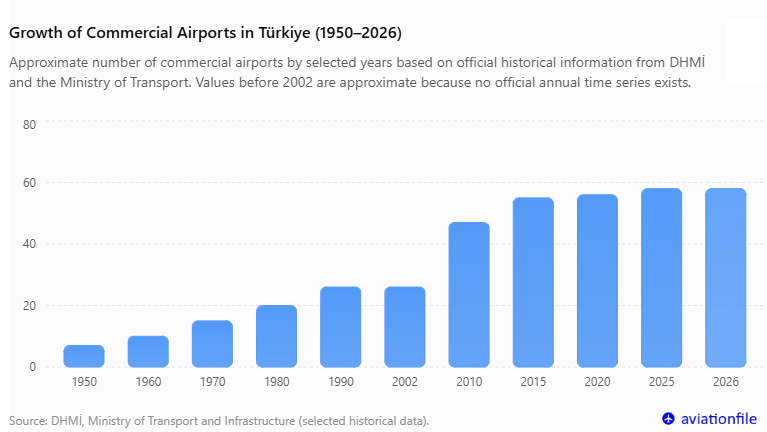
Since the early 2000s, Türkiye has invested heavily in constructing new airports, expanding existing terminals, modernizing air traffic management systems, and increasing runway capacity. New airports such as Istanbul Airport, Rize-Artvin Airport, Ordu-Giresun Airport, Çukurova International Airport, and several regional airports have significantly improved domestic connectivity.
According to official DHMI data, the number of operational airports serving commercial aviation has more than doubled compared with the early 2000s, making air transportation accessible to regions that previously relied primarily on road travel. Alongside physical expansion, DHMI has continued investing in navigation systems, radar infrastructure, instrument landing systems (ILS), and air traffic management modernization to meet international operational standards.
Rather than representing isolated construction projects, these investments formed part of a broader strategy to strengthen Türkiye’s role as an international aviation hub connecting Europe, Asia, Africa, and the Middle East.
The Liberalization of Domestic Air Travel
Infrastructure alone does not explain Türkiye’s aviation growth.
One of the most influential policy shifts was the liberalization of domestic air transportation. Increased competition among airlines, expanded route networks, and improved accessibility allowed commercial aviation to become an everyday transportation option for millions of Turkish citizens.
Passenger traffic increased dramatically over the years, with both domestic and international markets experiencing sustained long-term growth despite temporary disruptions such as the COVID-19 pandemic. Official DHMI statistics consistently demonstrate the remarkable increase in passenger volumes, aircraft movements, and cargo operations over the last two decades.
Istanbul Airport and Türkiye’s Global Hub Strategy
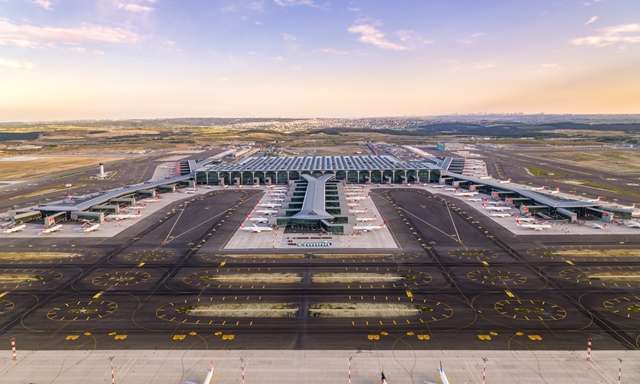
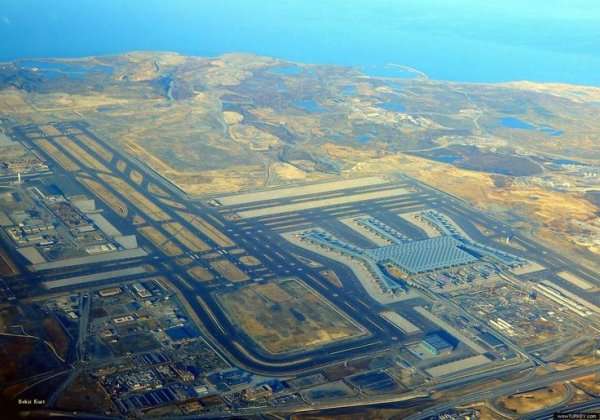
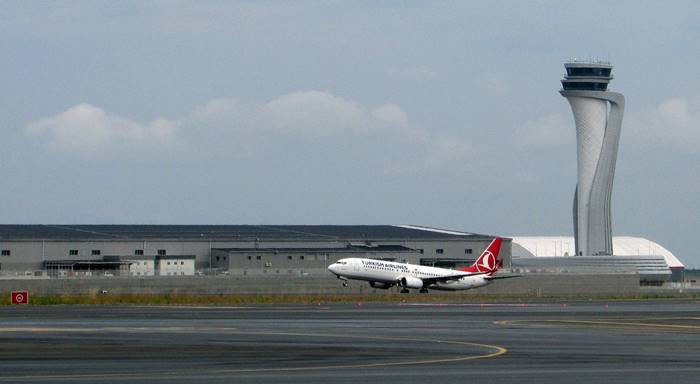
No discussion of modern Turkish aviation is complete without Istanbul Airport.
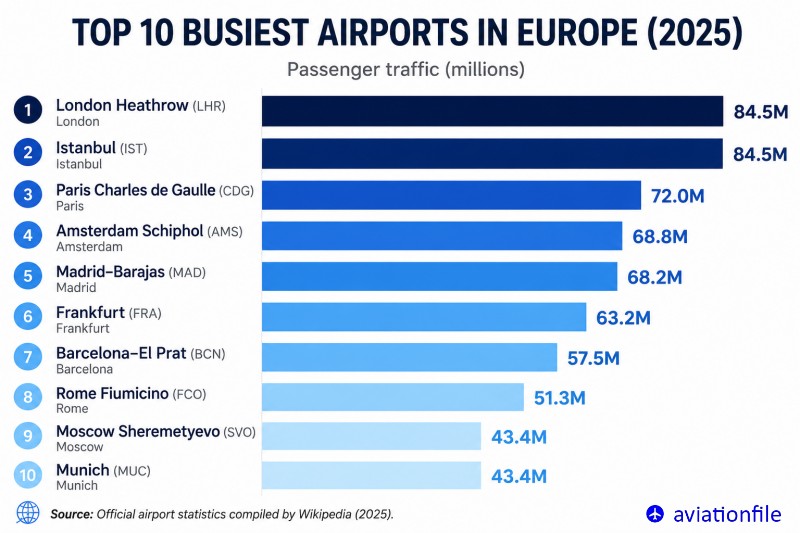
Designed as one of the world’s largest aviation hubs, the airport represents one of the most ambitious infrastructure projects undertaken in Türkiye. Its long-term master plan envisions capacity for approximately 200 million passengers annually, while current operations already place it among Europe’s busiest airports.
The airport has strengthened Türkiye’s position as a global transfer center by linking hundreds of destinations across multiple continents. This geographic advantage has allowed Istanbul to compete directly with traditional international hubs in Europe and the Gulf region.
Industry analyses have noted that years of sustained infrastructure investment helped position Türkiye’s aviation sector for rapid growth following the pandemic recovery, with Istanbul Airport becoming Europe’s busiest airport by aircraft movements in several reporting periods.

The International Growth of Turkish Airlines
Another defining feature of this period has been the expansion of Turkish Airlines.
The airline significantly increased its fleet size, expanded its international route network, and established itself as one of the world’s leading global carriers. Today, Turkish Airlines serves more countries than any other airline, making Istanbul one of the most connected cities in international aviation.
Although airline success depends primarily on corporate management, commercial strategy, operational performance, and market conditions, government investment in airport infrastructure and national aviation capacity created an environment that supported this growth.
Recommended: The Story Behind Turkish Airlines’ Iconic Logo
The Rise of Türkiye’s Aerospace and Defense Industry
While civil aviation expanded, Türkiye also experienced substantial growth in aerospace and defense aviation.
Government policies emphasizing domestic production coincided with significant advances in indigenous aerospace programs. During this period, projects such as the ANKA unmanned aerial vehicle, AKSUNGUR, HÜRKUŞ trainer aircraft, HÜRJET advanced jet trainer, GÖKBEY utility helicopter, and the KAAN fifth-generation fighter program progressed through various development stages.
Private companies, particularly Baykar, also attracted international attention with unmanned aircraft systems including the Bayraktar TB2 and AKINCI. These platforms have been exported to numerous countries, increasing Türkiye’s visibility within the global aerospace market.
These achievements were made possible through the combined contributions of public institutions, private industry, research organizations, universities, engineers, technicians, and military users working together across the national aerospace ecosystem.
Beyond Aircraft: Building an Aviation Ecosystem
An often-overlooked aspect of Türkiye’s aviation development is the creation of a broader aviation ecosystem.
Investments extended beyond aircraft and airports to include maintenance facilities, aerospace manufacturing, pilot training, air traffic management, research and development, airport services, logistics, and aviation education. This diversified approach has helped strengthen both civil and military aviation capabilities while increasing the industry’s contribution to exports, employment, and technological development.
Challenges and Ongoing Debate
Like any major national infrastructure strategy, Türkiye’s aviation expansion has also generated debate.
Some economists and policy analysts have questioned the financial sustainability of certain airport investments, particularly at regional airports with relatively low passenger demand. Others have raised concerns regarding environmental impacts, public-private partnership financing models, and long-term operating costs.
These discussions are a normal part of evaluating large-scale infrastructure projects and should be considered alongside the measurable operational achievements observed across the sector.
Conclusion
Based on publicly available data, Türkiye’s aviation sector experienced substantial growth during the period in which Recep Tayyip Erdoğan led the government and later served as President. Civil aviation infrastructure expanded considerably, passenger traffic increased, Istanbul emerged as a major international aviation hub, Turkish Airlines strengthened its global position, and the domestic aerospace and defense industry developed into an increasingly significant international player.
These developments should be understood as the result of long-term national investment involving numerous public institutions, regulatory agencies, state-owned enterprises, private companies, engineers, aviation professionals, and policymakers. Regardless of differing political perspectives, the available operational data indicate that aviation became one of Türkiye’s most strategically developed sectors during this period, making it an important case study in infrastructure development, transportation policy, and aerospace industry growth.
Disclaimer:
This article is not intended as a political or ideological commentary. It does not evaluate political parties, election outcomes, or government ideologies. Instead, it examines measurable developments in Türkiye’s aviation sector using publicly available data and information from official institutions, industry organizations, and internationally recognized sources. Like any long-term national development, the progress discussed below reflects the combined efforts of governments, public institutions, regulatory authorities, state-owned enterprises, private companies, engineers, aviation professionals, and thousands of employees across the sector.
References and Further Reading:
- Republic of Türkiye Ministry of Transport and Infrastructure – General Directorate of State Airports Authority (DHMİ). Annual Reports. DHMİ Annual Reports
- Republic of Türkiye Ministry of Transport and Infrastructure – General Directorate of State Airports Authority (DHMİ). Aviation Sector Reports. DHMİ Aviation Sector Reports
- Directorate General of Civil Aviation (SHGM). Official Website. Directorate General of Civil Aviation (SHGM)
- Republic of Türkiye Ministry of Transport and Infrastructure – General Directorate of State Airports Authority (DHMİ). Statistics Database. DHMİ Statistics