
Runway edge lights are an indispensable part of modern airport infrastructure, providing essential visual guidance to pilots during low-visibility operations such as night landings, fog, rain, or other adverse weather conditions. These lighting systems delineate the lateral boundaries of a runway, helping pilots maintain proper alignment and situational awareness from approach through landing and taxiing.
Definition and Purpose
Runway edge lights are a series of lights installed along both sides of a runway and are designed to outline its usable length. During daytime operations, runway markings and signs provide visual cues to pilots. However, at night or when visibility is restricted, those markings become difficult to see. Runway edge lights fill this gap by offering a consistent and reliable visual reference that enhances safety during critical phases of flight. They provide continuous lateral guidance, especially in low visibility, and their color transitions help pilots assess remaining runway length during critical phases of flight.
The primary purpose of these lights is to:
- Mark the lateral edges of the runway, indicating its width and full length.
- Support alignment and orientation for aircraft on final approach and during takeoff.
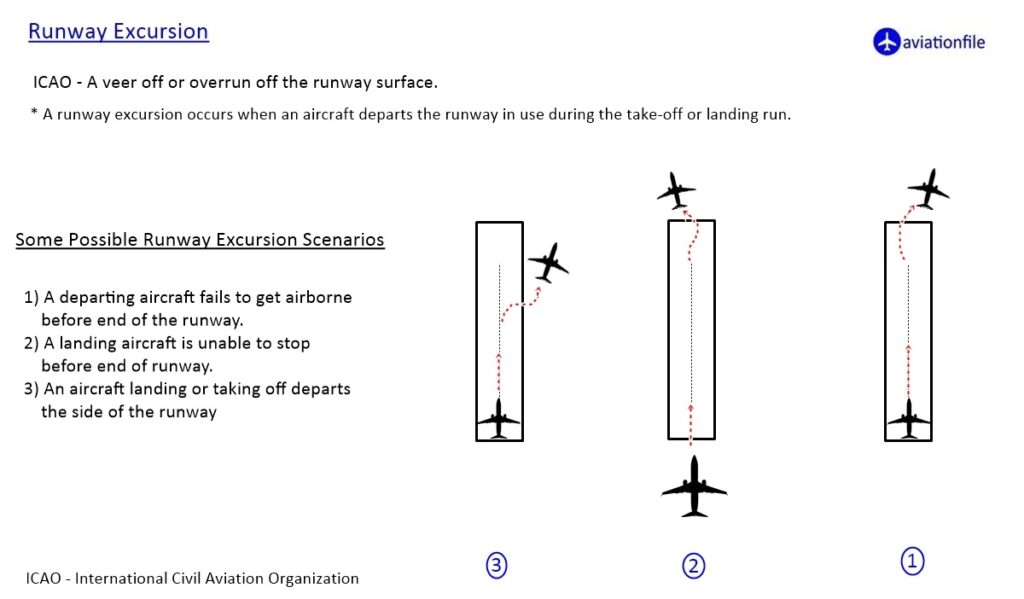
- Enhance visibility in restricted conditions, reducing the risk of runway excursions and other navigation errors.
The presence of runway edge lighting is mandated for any runway certified for night operations by international aviation authorities, including the International Civil Aviation Organization (ICAO) and the Federal Aviation Administration (FAA).
Color and Configuration
Most runway edge lights emit steady white light, providing a continuous visual outline of the runway edges during night or low-visibility operations. On instrument runways, the color changes near the departure end to warn pilots of the remaining runway distance. Under FAA standards, yellow (amber) replaces white on the final 2,000 feet or one-half of the total runway length, whichever is less, creating a caution zone that signals the approaching runway end.
Under ICAO Annex 14 standards, the caution zone is defined slightly differently: yellow lights are provided on the last 600 meters or one-third of the runway length, whichever is less.
Although the numerical values differ between regulatory systems, the operational intent is the same — to provide a clear visual cue that the aircraft is entering the final portion of the runway during landing rollout or takeoff.
In addition:
- Runway end lights typically emit red light toward the runway to indicate its termination and green outward for approaching aircraft to identify the threshold.

Intensity and Control
Runway edge lights are classified by the intensity of their output:
- High Intensity Runway Lights (HIRL)
- Medium Intensity Runway Lights (MIRL)
- Low Intensity Runway Lights (LIRL)
HIRL and MIRL systems often allow for variable intensity control to adapt to weather conditions and pilot preferences. LIRLs, usually found at smaller aerodromes, operate at a fixed intensity level.
In controlled airports, lighting intensity and activation are managed by air traffic control. At uncontrolled fields, pilot-controlled lighting systems enable pilots to activate or adjust the runway edge lights using radio transmissions, conserving energy and extending operational flexibility.
Placement and Standards
Regulatory standards dictate the placement and spacing of runway edge lights. Typically:
- Lights are positioned at a uniform lateral distance from the runway edge.
- The longitudinal spacing between adjacent lights is often regulated at approximately 60 m (200 ft) for instrument runways, ensuring a continuous visual outline.
ICAO Annex 14 and similar national regulations provide detailed specifications that airports must follow to ensure consistency and safety across international operations.
ATC Role in Runway Lighting Operations
Air Traffic Control manages runway lighting intensity based on visibility conditions and operational needs. In low visibility or night operations, controllers may increase lighting intensity to support pilot situational awareness, while also ensuring optimal contrast to avoid glare. Coordination between Tower and Approach becomes critical during high workload periods, especially when multiple aircraft are sequencing for landing.
Conclusion
Runway edge lights may appear straightforward, but they play a sophisticated and vital role in aerodrome operations. By clearly marking the edges of a runway under all conditions, these lights enable safe takeoffs, landings, and ground movements — benefiting pilots, air traffic controllers, and passengers alike. Their design and implementation reflect decades of international collaboration on aviation safety standards.