
Overview of the Incident
On October 20, 2014, a Dassault Falcon 50EX (F-GLSA) operated by Unijet crashed during take-off from Moscow Vnukovo Airport (UUWW), killing Christophe de Margerie, Chairman and CEO of Total S.A., and the three crew members on board.
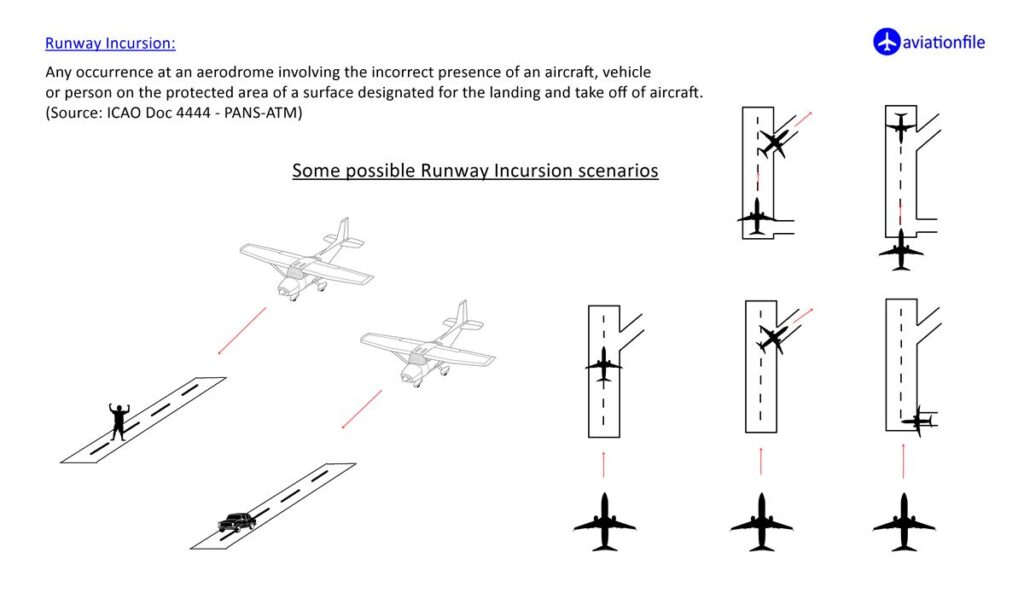
The aircraft collided with a snow-removal vehicle that had entered Runway 06 without clearance in low-visibility, night conditions. The jet’s right wing and landing gear struck the vehicle at roughly 133 KCAS (Calibrated Airspeed), causing a loss of control. The aircraft flipped over, broke apart, and caught fire. The accident was officially classified as a runway incursion collision during take-off.
Technical Analysis and Contributing Factors
Flight and Environment
The Falcon 50EX was conducting a business flight from Vnukovo to Paris Le Bourget. The weather included dense fog and limited runway visibility, which required strict adherence to Low Visibility Procedures (LVP).
Sequence of Events
During runway operations, a snowplow entered the active runway without air-traffic clearance. Ground-vehicle communication failures, human-error chains, and procedural deviations allowed the vehicle to remain unnoticed on the runway. As the aircraft accelerated through rotation speed, it collided with the obstacle.
Human and Organizational Factors
The official report by the Interstate Aviation Committee (IAC/MAK) identified a mix of individual and systemic failures:
- The vehicle driver and one airfield supervisor had consumed alcohol before duty.
- Poor situational awareness and lack of proper coordination among ground staff and ATC.
- Ineffective radio communication and misconfigured A-SMGCS (surface-movement radar) systems.
- Inadequate supervision and training at the airport operations level.
Between 2010 and 2014, Vnukovo had recorded 34 runway incursions, revealing a broader systemic safety issue.
Air Traffic Control and Surface Safety
The IAC noted weak coordination between ATC and ground-handling services. The surface-movement system was improperly configured, and controllers were not fully trained to interpret alerts, leaving a critical safety layer inactive when the collision occurred.
Legal Outcomes
Russian courts later found multiple individuals responsible. In 2016, two employees pleaded guilty; others, including ATC personnel, were sentenced in 2020. Investigators confirmed that human error and procedural violations were the direct causes.
Safety Lessons
The final report called for major improvements:
- Stricter control of airside vehicle movements.
- Enhanced runway-incursion prevention plans.
- Upgraded communication and surveillance equipment.
- Comprehensive staff training and real-time coordination between ATC and airport services.
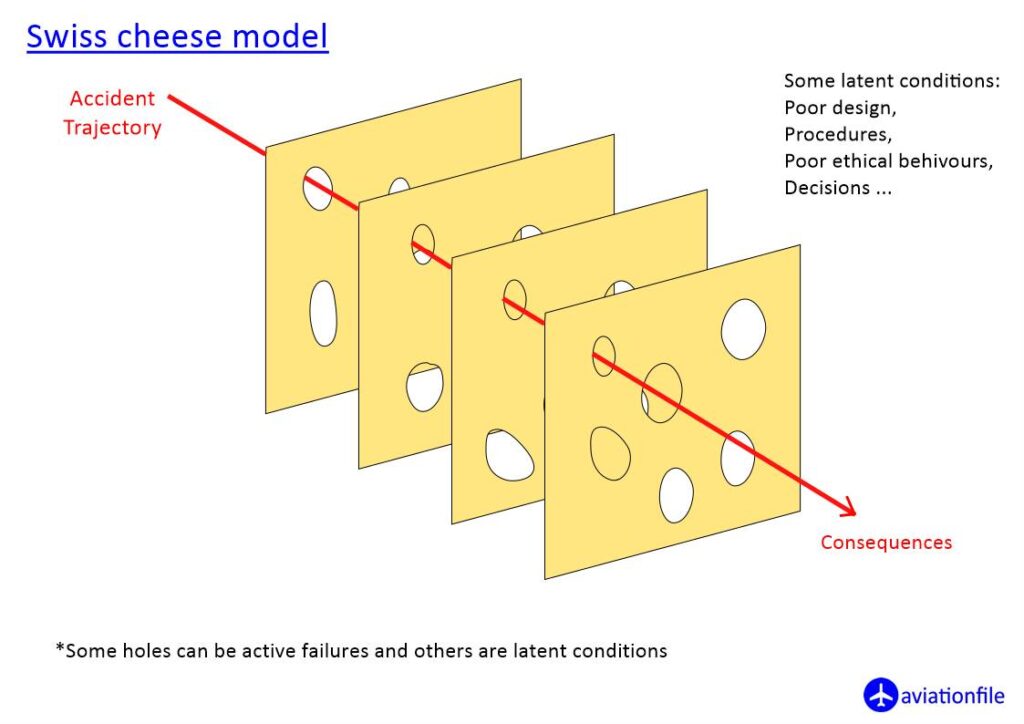
The event stands as a textbook example of how multiple small safety barriers can fail simultaneously, echoing the Swiss Cheese Model of accident causation.
Global and Political Context
Timing and Economic Background
The crash occurred in 2014 amid heightened Russia–Western tensions following the annexation of Crimea, the introduction of Western sanctions, and a global oil-price collapse that halved crude prices from $115 to $60 per barrel.
De Margerie’s View on Russia and Energy
Christophe de Margerie was widely known for advocating continued energy cooperation with Russia. He publicly argued that Europe could not afford to abandon Russian gas and criticized economic sanctions as counter-productive.

The Yamal LNG Project
Total was a key investor in Russia’s $27 billion Yamal LNG project, designed to boost Arctic gas exports. Despite sanctions, the project progressed through alternative financing and international partnerships. In 2017, the first Arc7 ice-class LNG carrier was named “Christophe de Margerie” to honor his role in strengthening Franco-Russian energy ties.
France–Russia Relations
De Margerie’s death prompted official condolences from both French and Russian leaders. For Moscow, his pragmatic stance symbolized the value of long-term energy partnerships beyond political disputes.
Conspiracy Theories vs. Proven Facts
While some speculated about political motives, no evidence supports intentional foul play. The IAC’s data, international safety analyses, and judicial findings all attribute the crash to operational errors and organizational failures, not geopolitical interference.
Conclusion
The 2014 Vnukovo accident underscores how human error, poor coordination, and weak safety culture can breach every layer of defense in aviation. It also illustrates how a single tragedy can echo through global energy politics, exposing the complex overlap between corporate interests, international sanctions, and aviation safety.
The legacy of Christophe de Margerie endures both in the lessons drawn from the crash and in the enduring symbol of the Yamal LNG “Christophe de Margerie” vessel—a reminder that leadership decisions in global energy often extend far beyond the boardroom.