
Expert systems for pilots are AI-powered computer programs designed to support flight crews in decision-making and problem-solving during various phases of flight. Traditional expert systems rely primarily on a knowledge base, an inference engine, and rule-based reasoning to evaluate operational information and provide recommendations that mimic the decision-making process of human experts. In modern aviation, these systems may also be integrated with complementary AI technologies such as fuzzy logic and machine learning, including neural networks, to improve their ability to analyze complex data and support more informed operational decisions.
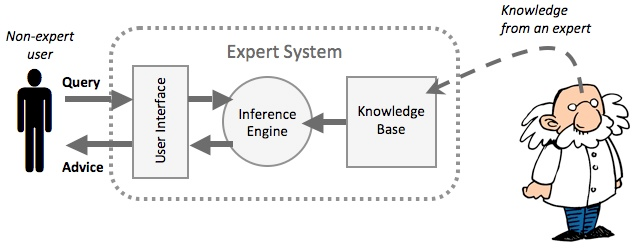
One application of expert systems for pilots is in aviation safety. By analyzing data from sensors and other sources, these systems can identify potential safety risks and provide pilots with recommendations for avoiding or mitigating those risks. For example, an expert system might detect a potential runway incursion and provide the pilot with guidance on how to avoid the incursion and ensure a safe landing.
Another application is in flight planning and route optimization. Expert systems can analyze data such as weather patterns, air traffic, and aircraft performance to determine the most efficient route for a given flight. They can also take into account factors such as fuel consumption, aircraft weight, and airspace restrictions to ensure that the flight is safe and efficient.
In addition, expert systems can be used to assist pilots in aircraft maintenance and troubleshooting. By analyzing data from sensors and other sources, these systems can diagnose potential problems with the aircraft and provide guidance on how to fix them.
Recommended: MSE, RMSE, R², and MAE in Airline Passenger Forecasting
The Future of Expert Systems in Aviation
Modern expert systems are evolving beyond traditional rule-based technologies by incorporating artificial intelligence, machine learning, and natural language processing (NLP). Leading aerospace organizations, including Airbus, Boeing, and NASA, are developing AI-powered cockpit assistants designed to enhance situational awareness, reduce pilot workload, and support decision-making during flight. While these intelligent systems can analyze aircraft data, identify potential risks, and recommend appropriate actions, they are intended to assist—not replace—human pilots. This evolution represents the next generation of expert systems, combining rule-based reasoning with advanced AI to improve flight safety and operational efficiency.
References:
- Expert systems : design and development https://archive.org/details/expertsystemsdes0000durk
- Artificial Intelligence – A Modern Approach