
The aviation industry is a highly complex global system supported by thousands of professionals working continuously to ensure safe, efficient, and reliable operations. As passengers, we usually buy a ticket, board the aircraft, and travel to our destination without seeing the massive operational network behind every flight. Most people are familiar with visible professions such as pilots, cabin crew, and sometimes air traffic controllers, but many other aviation professionals work behind the scenes to keep the industry running safely every day.
On this article, we are going to look at the kitchen of aviation. Who are these professionals? And what do they do?
| Aviation Profession | Primary Responsibility | Operational Role | Typical Work Environment |
|---|---|---|---|
| Pilot | Operate and navigate aircraft safely | Flight execution, decision-making, fuel and weather management | Cockpit / Flight Operations |
| Co-Pilot / First Officer | Assist the captain during flight operations | Flight monitoring, communication, checklist management | Cockpit |
| Air Traffic Controller (ATC) | Maintain safe aircraft separation and traffic flow | Sequencing, spacing, conflict prevention, airspace management | Control Tower / Radar Center |
| Flight Dispatcher | Plan and monitor flights operationally | Route planning, fuel calculation, weather analysis | Airline Operations Center |
| Aircraft Maintenance Technician (AMT/A&P) | Inspect, repair, and maintain aircraft | Ensure aircraft airworthiness and technical reliability | Hangar / Maintenance Base |
| Aircraft Maintenance Engineer (AME) | Certify aircraft maintenance activities | Technical troubleshooting and regulatory compliance | Maintenance Facilities |
| ATM/CNS Engineer | Maintain aviation navigation and surveillance systems | Support radar, communication, and navigation infrastructure | Technical Facilities / Airports |
| Aircraft Fuel Services Operator | Refuel and defuel aircraft safely | Fuel quality control and ground safety procedures | Apron / Ramp Area |
| Cabin Crew / Flight Attendant | Ensure passenger safety and service | Emergency response and cabin management | Aircraft Cabin |
| Meteorologist | Provide aviation weather information | Weather forecasting and hazard monitoring | Meteorological Centers |
| Ground Handling Personnel | Support aircraft turnaround operations | Baggage, loading, pushback, ramp coordination | Airport Apron |
| Airport Operations Officer | Coordinate daily airport activities | Runway inspections, operational safety, airport coordination | Airport Operations Center |
| Safety Management Specialist (SMS) | Monitor aviation safety systems | Risk assessment, reporting, safety compliance | Airlines / Airports / Authorities |
| Aviation Cybersecurity Specialist | Protect digital aviation systems | Prevent cyber threats to aviation infrastructure | IT & Operations Centers |
| UAV / Drone Operator | Operate unmanned aerial vehicles | Inspection, surveillance, aerial operations | Remote Control Stations |
| Human Factors Specialist | Analyze human performance and safety | Reduce operational errors and improve ergonomics | Airlines / Research / Training |
| Aviation Data Analyst | Analyze operational aviation data | Performance monitoring and predictive analysis | Airline / Airport Analytics Teams |
| Airport Slot Coordinator | Manage airport slot allocations | Optimize airport traffic capacity and scheduling | Airport Coordination Offices |
| Aviation Security Officer | Maintain airport and passenger security | Screening, access control, threat prevention | Airports / Security Checkpoints |
| Flight Instructor | Train future pilots | Flight education and simulator instruction | Flight Schools / Simulators |
| Aerospace Engineer | Design and improve aircraft systems | Aircraft development and performance optimization | Engineering Offices / Manufacturers |
| Aviation Manager | Oversee aviation operations and strategy | Organizational planning and coordination | Airlines / Airports / Aviation Companies |
Pilot
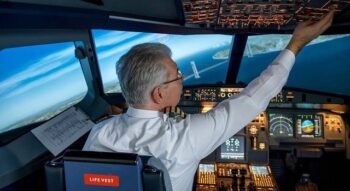
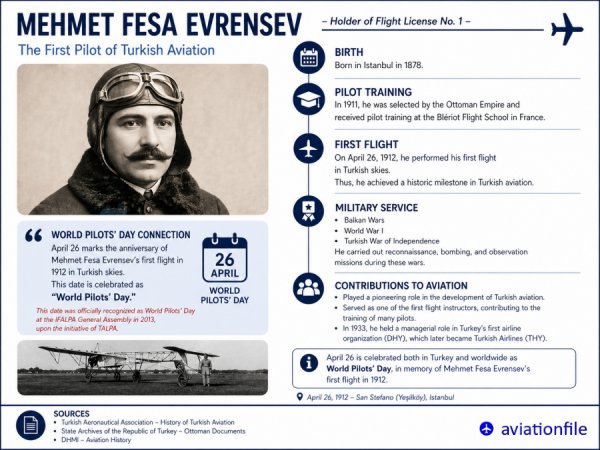
A pilot is a licensed aviation professional responsible for operating and navigating an aircraft safely. In commercial aviation, the cockpit is typically operated by two pilots: the Captain (Pilot in Command) and the First Officer. The Captain holds the final authority and overall responsibility for the safety and operation of the flight, while the First Officer assists in all phases of flight operations. On long-haul flights, additional relief pilots may also be assigned depending on flight duration, regulations, and operational requirements.

ATC-Air Traffic Controller
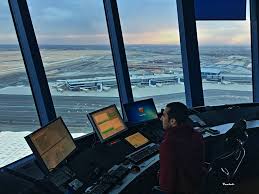
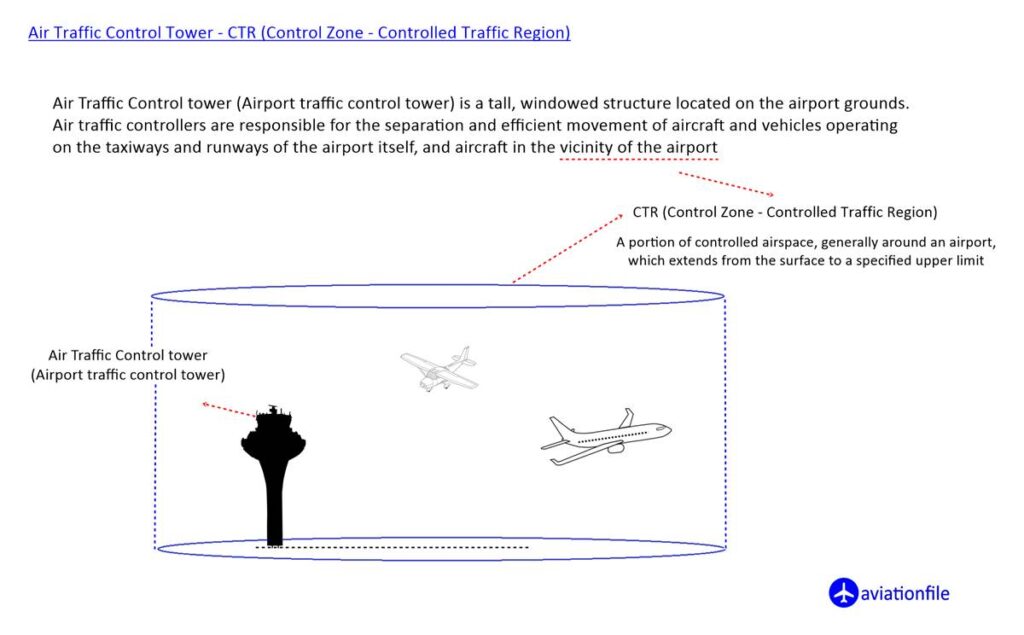
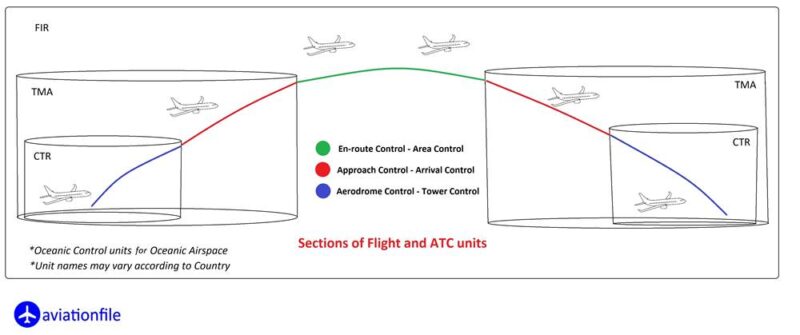
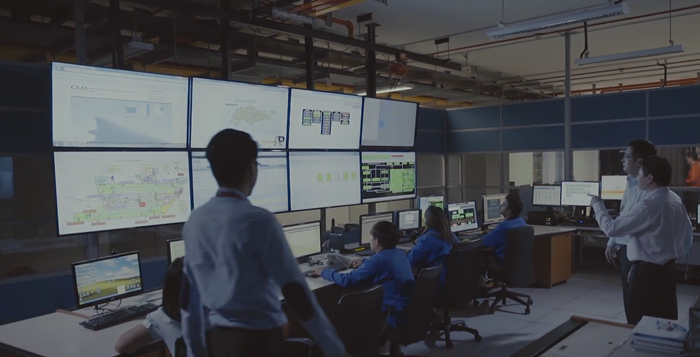
Air Traffic Controllers (ATCs) are ground-based aviation professionals responsible for maintaining the safe, orderly, and efficient flow of air traffic within controlled airspace. They communicate with pilots through radio transmissions by issuing clearances, instructions, and operational information to ensure aircraft separation and traffic coordination. Air traffic control operations are generally divided into three main sectors: Tower Control, responsible for airport surface and immediate runway operations; Approach Control, managing arriving and departing traffic near airports; and Area (En-Route) Control, overseeing aircraft during the cruise phase of flight across larger airspace sectors.
Flight Attendant
Cabin crew members are aviation professionals responsible for ensuring passenger safety, comfort, and well-being throughout the flight. In addition to providing onboard service and improving the passenger experience, they play a critical role in aviation safety by demonstrating emergency procedures, enforcing safety regulations, and assisting passengers during normal and emergency situations.

Aviation RFF (ARFF)
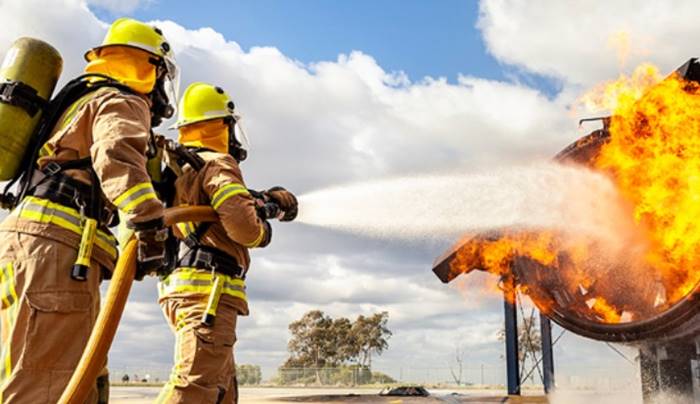
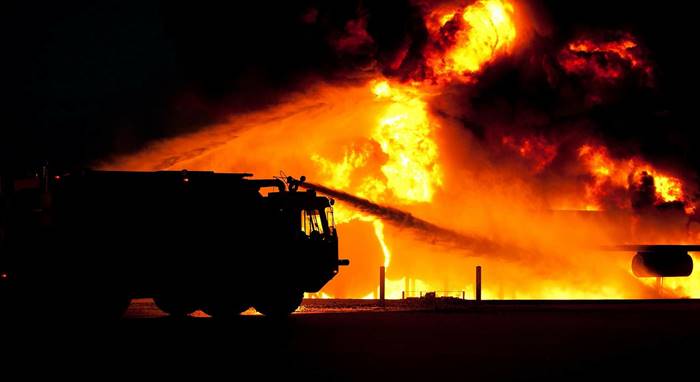
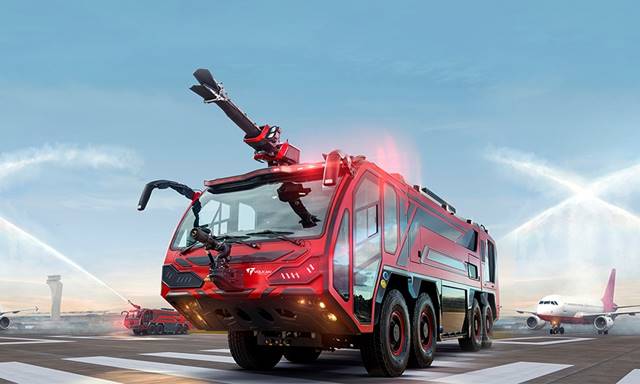
Aircraft Rescue and Firefighting (ARFF) is a specialized branch of emergency response focused on aircraft-related incidents, particularly at airports. ARFF personnel are trained to respond rapidly to aircraft emergencies involving fire, fuel hazards, evacuations, and rescue operations. Their primary objective is to protect passengers, crew members, and airport personnel by minimizing risks and supporting emergency evacuation and rescue efforts during aviation incidents.
Aircraft Maintenance Technician
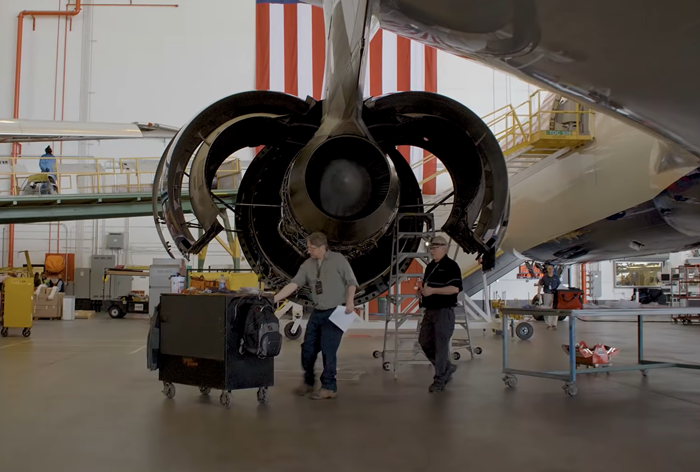
Aircraft Maintenance Technicians (AMTs) are licensed technical professionals responsible for ensuring the airworthiness and reliability of aircraft. Their duties include inspecting, repairing, troubleshooting, and performing or supervising scheduled and unscheduled maintenance on aircraft structures, engines, and onboard systems. AMTs also carry out preventive maintenance, component replacement, system testing, and aircraft modifications in accordance with aviation safety regulations and manufacturer standards.
Aviation Meteorologist
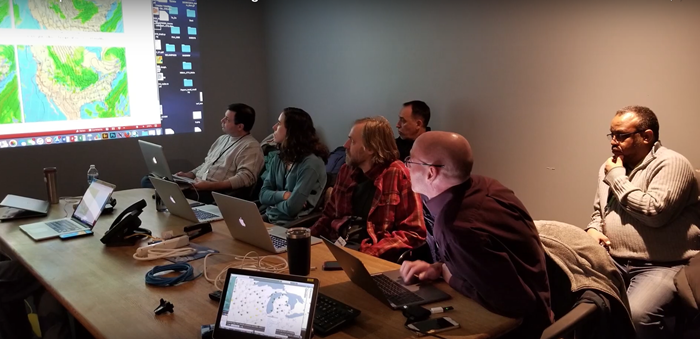
Aviation Meteorologist provides weather information to airline flight dispatchers, pilots, air traffic controllers by Metar and other special weather reports (Speci, TAF and etc.). He or she must determine current and forecasted weather conditions for all altitudes (height), including the direction and speed of wind, cloud cover, and precipitation, visibility, cloud ceiling.
Flight Dispatcher
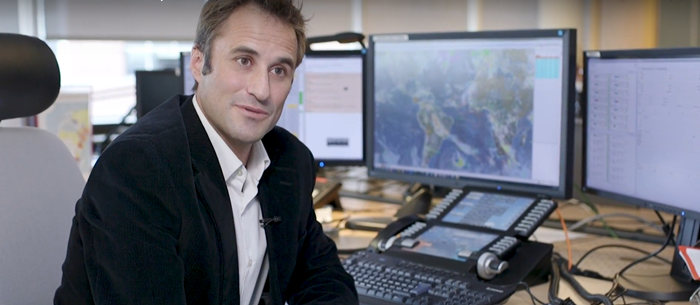
Flight Dispatchers assist to pilots in planning the entire flight. They take into account aircraft performance and loading, meteorological conditions, thunderstorm and turbulence forecasts, Notams, airspace restrictions, and airport conditions. Also during flight, dispatchers provide flight following service and advisory service to pilots in changing conditions.
AIM – Briefing Officers
The objective of AIM officers is to ensure the flow of information necessary for the safety, regularity and efficiency of international air navigation. Control and issue of flight plans, check the permission of flight plans and all Notams related with the unit and efficient flow of traffic like following slot times are some of their responsibilities.
Passenger Service
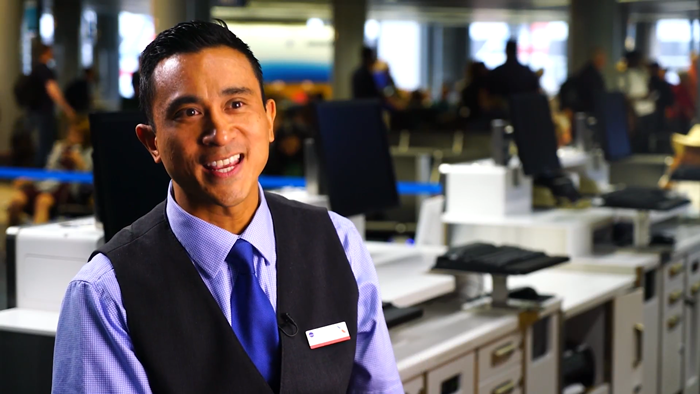
A passenger service professional is a customer service representative or agent who assists people using transportation services. Most work on the ground at airports for airlines. They have duties including checking in passengers, handling baggage handling, making announcements, and assisting with boarding and security.
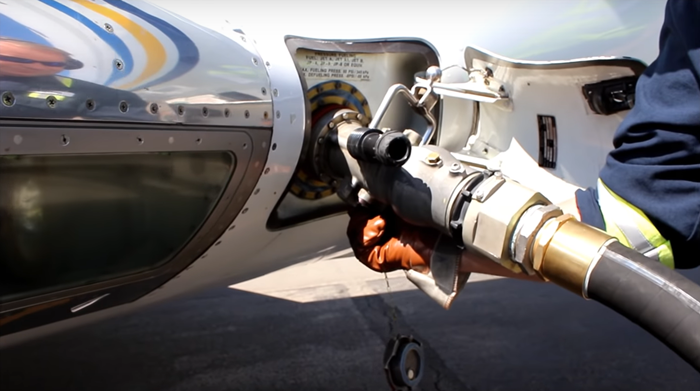
Airplane Gas Fitter
Aircraft Fuel Service Operators are responsible for safely refueling and defueling aircraft in accordance with operational requirements and strict aviation safety procedures. They ensure that the correct type and quantity of fuel are loaded while following grounding, fire prevention, and fuel quality control protocols. Since they work in a high-risk operational environment involving flammable materials and active aircraft movements, strict compliance with safety regulations and operational discipline is essential.
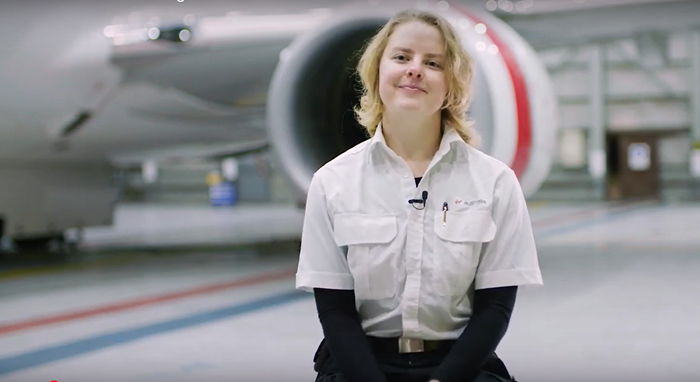
Aircraft Maintenance Engineer
Aircraft Maintenance Engineer is a licensed person who carries out and certifies aircraft maintenance. The license is widespread internationally and is recognized by the International Civil Aviation Organization (ICAO). In USA, FAA recognize these license as Aviation Maintenance Engineer.
Aircraft Marshaller (Follow Me)
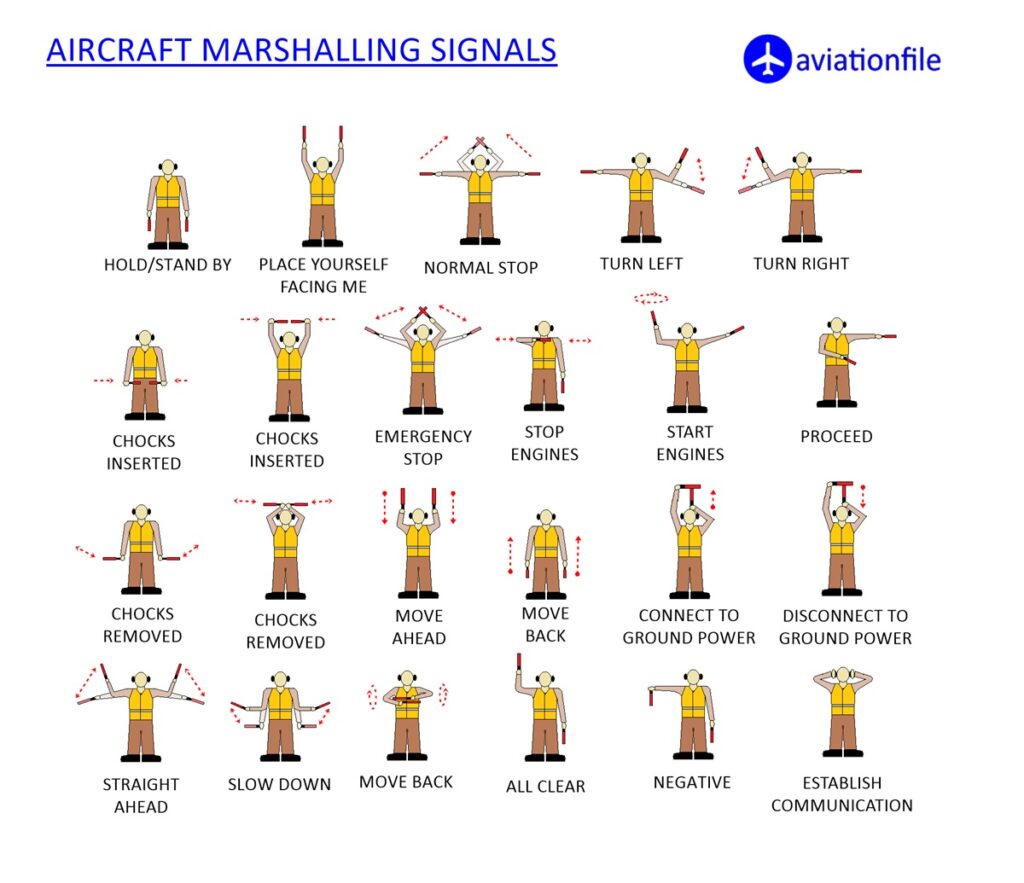
Marshallers are ground operations personnel responsible for guiding aircraft safely on the airport apron and parking areas. Using standardized hand signals, illuminated wands, or marshalling equipment, they assist pilots during parking, pushback, engine shutdown, and other ground maneuvering operations. In some situations, specially designated “follow-me” vehicles are also used to guide aircraft safely between taxiways, runways, and parking stands, particularly at complex or unfamiliar airports.
ATM (Air Traffic Management) Engineers
They work for ANSP (Air Navigation Service Provider) and their main duty is keeping the navigation aids in progress. Radar, ILS units and other navigation aids are under their responsibility. In addition, they follow the developments and implement the necessary applications.
ATC – Air Traffic Controller: The Indispensable Linchpins of Aviation Safety
For more articles click.