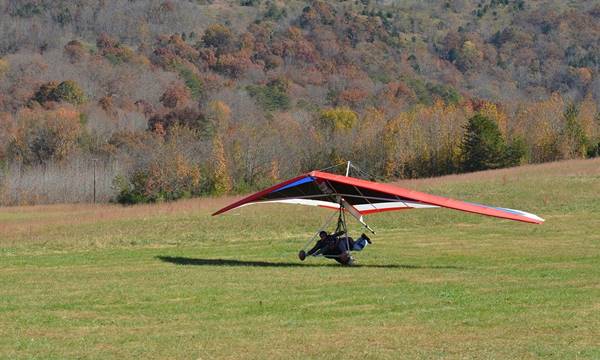
Gliding flight is one of the most fascinating concepts in aviation, showcasing how flight is possible without engine power. If you’re curious about the science and mechanics behind gliders and their role in aviation, you’ve come to the right place. This guide covers everything you need to know about gliding flight, from its definition and history to the technology behind modern gliders.
What is Gliding Flight?
Gliding flight refers to the unpowered flight of an aircraft or object that moves through the air without thrust. This natural phenomenon, also observed in birds and certain animals, is also known as volplaning.
In aviation, gliding occurs when an aircraft uses lift generated by its wings to counteract gravity while losing altitude gradually. Pilots control the glide by manipulating airspeed, angle of descent, and by exploiting atmospheric currents to sustain their flight.
What is a Glider?
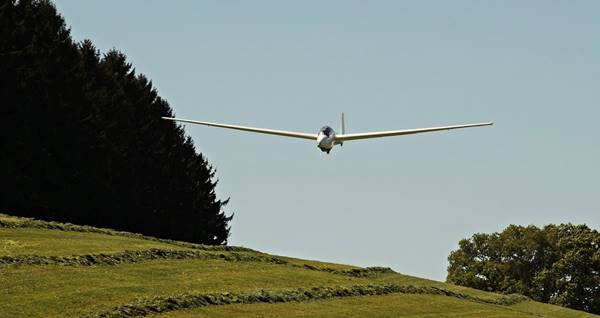
A glider is a type of fixed-wing aircraft designed specifically for unpowered flight. Unlike conventional aircraft, gliders rely on external forces, such as air currents, for propulsion after being launched.
Modern gliders are used in recreational flying, competitive sports, and even military operations. They are engineered to optimize aerodynamics, allowing them to remain airborne for extended periods while covering long distances.
Glide Ratio and Performance
In gliding flight, performance is primarily defined by the lift-to-drag ratio (L/D), commonly referred to as the glide ratio.
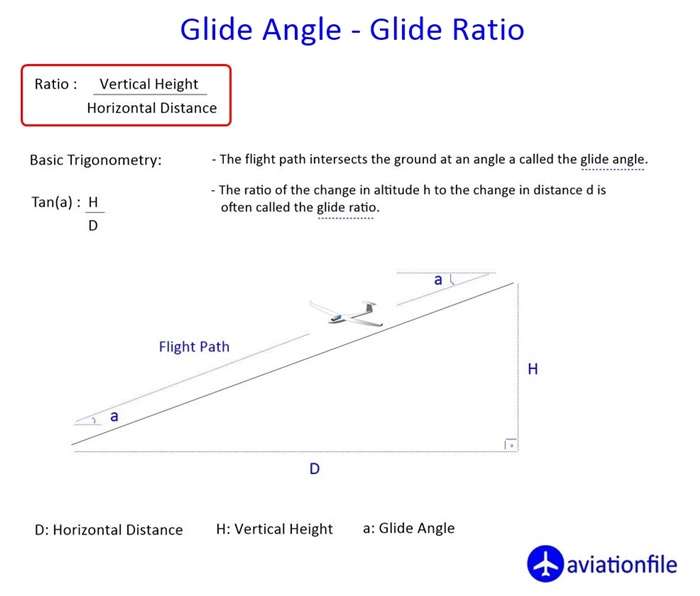
A glide ratio expresses how far an aircraft can travel horizontally for a given loss in altitude. For example, a glide ratio of 30:1 means the aircraft can travel 30 units forward for every 1 unit of altitude lost.
This ratio determines the glide angle, with higher L/D values resulting in a flatter descent and greater range. Pilots use this concept operationally, especially during engine failure scenarios, to determine how far the aircraft can safely glide.
How Do Gliders Work?
Gliders require an initial launch to achieve altitude. The most common launch methods include:
- Aerotow: A powered aircraft tows the glider to a certain altitude before releasing it.
- Winch Launch: A ground-based winch system rapidly pulls the glider into the air.
- Self-Launch: Some gliders are equipped with small engines for independent takeoff.
Once airborne, glider pilots use rising air currents, such as thermals (columns of warm air) and ridge lift (wind deflected by terrain), to maintain or gain altitude.
Operational Context: Engine Failure and Best Glide Speed
In real-world operations, gliding flight is most commonly associated with engine failure scenarios. When thrust is lost, the aircraft immediately transitions into a glide, and the pilot must manage energy carefully to maximize range and maintain control.
A key concept in this situation is best glide speed. This is the speed at which the aircraft achieves its maximum glide ratio (L/D max), allowing it to travel the greatest horizontal distance for a given loss of altitude.
Maintaining best glide speed is critical because:
- Flying too fast increases drag and reduces glide range
- Flying too slow increases induced drag and risks stall
From an operational perspective:
- Pilots use best glide speed to select suitable landing areas and extend available options
- ATC should recognize that an aircraft experiencing engine failure will likely prioritize range, altitude conservation, and direct routing
Understanding this concept helps both pilots and controllers anticipate aircraft behavior and make more effective decisions during abnormal situations.
The Evolution of Gliders
The history of gliders dates back to the late 19th century, with German aviation pioneer Otto Lilienthal being credited as the inventor of the modern glider. Lilienthal’s groundbreaking experiments paved the way for the development of controlled flight. Tragically, he lost his life in 1896 during a gliding accident.
Modern Glider Design and Materials
Today’s gliders are marvels of engineering, designed to maximize efficiency and minimize drag. Key features include:
- Long, Thin Wings: Provide greater lift and reduced drag, enabling smooth and extended flights.
- Lightweight Materials: Modern gliders are constructed from composite materials such as fiberglass, carbon fiber, and aramid fibers for durability and weight reduction.
- Streamlined Shape: A narrow fuselage reduces air resistance, ensuring better performance.
These features allow gliders to achieve glide ratios as high as 60:1, meaning they can travel 60 meters horizontally for every 1 meter of altitude lost.
Why Learn About Gliders and Gliding Flight?
Understanding gliders and gliding flight is not just for aviation enthusiasts; it’s a valuable insight into the principles of aerodynamics, sustainability, and innovation. From recreational flying to military applications, gliders play a unique role in aviation history and modern operations.
Conclusion
Gliding flight represents the art of flying without relying on engine power, making it a pure and exhilarating experience. With advancements in technology and a rich history dating back to pioneers like Otto Lilienthal, gliders continue to captivate both pilots and aviation enthusiasts.
Explore more about aviation and gliders at AviationFile for detailed insights into the world of flight!