
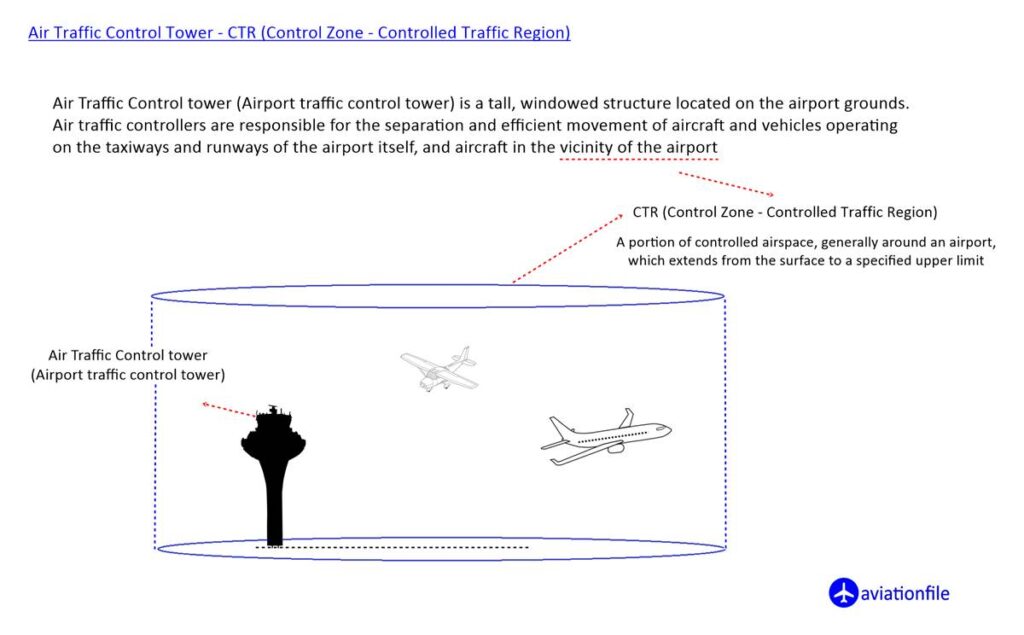
Air traffic controllers play a vital role in the aviation industry, ensuring the safe and efficient movement of aircraft in the airspace. They are responsible for directing and monitoring aircraft and providing them with information and instructions to ensure that they maintain safe distances from each other.
The job of an air traffic controller is demanding, but it is also very rewarding. Air traffic controllers must be highly skilled and experienced, and they must be able to work under pressure and make quick decisions. They must also have excellent communication and interpersonal skills. So let’s dive into the pros and cons of being an Air Traffic Controller.
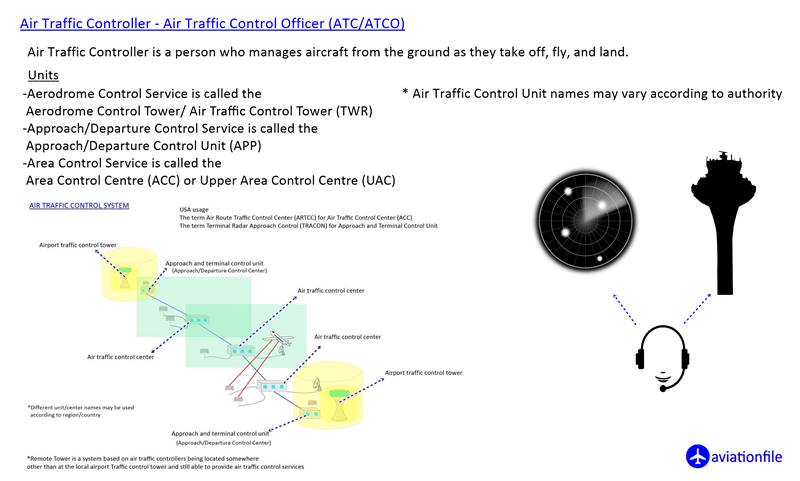
Pros of being an air traffic controller:
- Good salary and benefits: Air traffic controllers are typically well-paid, with a median annual salary of $134,600 in the United States in 2021. They also receive a number of benefits, such as health insurance, retirement savings plans, and paid time off. (Source: Bureau of Labor Statistics)
- Job security: Air traffic controllers are in high demand, and the job outlook is projected to grow much faster than average over the next decade. This means that air traffic controllers are likely to have job security and opportunities for advancement.
- Sense of responsibility and accomplishment: Air traffic controllers play a vital role in the aviation industry. And their work is essential to the safety of millions of passengers each year. This can be a very rewarding job, as air traffic controllers know that they are making a difference in people’s lives.
- Opportunity to travel: Air traffic controllers often have the opportunity to travel for work, attending training courses and conferences. This can be a great way to see new places and meet new people.
Strong Teamwork Culture
Although controllers often work in highly concentrated individual positions, air traffic control is fundamentally a team-based operation. Safe and efficient traffic flow depends on constant coordination between sectors, towers, approach units, pilots, and supervisors. Many controllers describe the profession as creating a strong sense of operational teamwork and mutual trust among colleagues.
A Profession That Requires Continuous Learning
Air traffic control is a profession where learning never truly stops. New procedures, changing airspace structures, evolving technology, and unusual operational situations continually challenge controllers to adapt and improve. For many professionals, this dynamic environment is one of the most rewarding aspects of the career.
Contributing Directly to Aviation Safety
One of the most rewarding aspects of being an air traffic controller is the knowledge that every shift contributes directly to aviation safety. Controllers play a critical role in maintaining orderly traffic flow, preventing conflicts, and supporting pilots during both routine and abnormal operations. Many controllers view this responsibility as a strong source of professional pride and purpose.
Cons of being an air traffic controller:
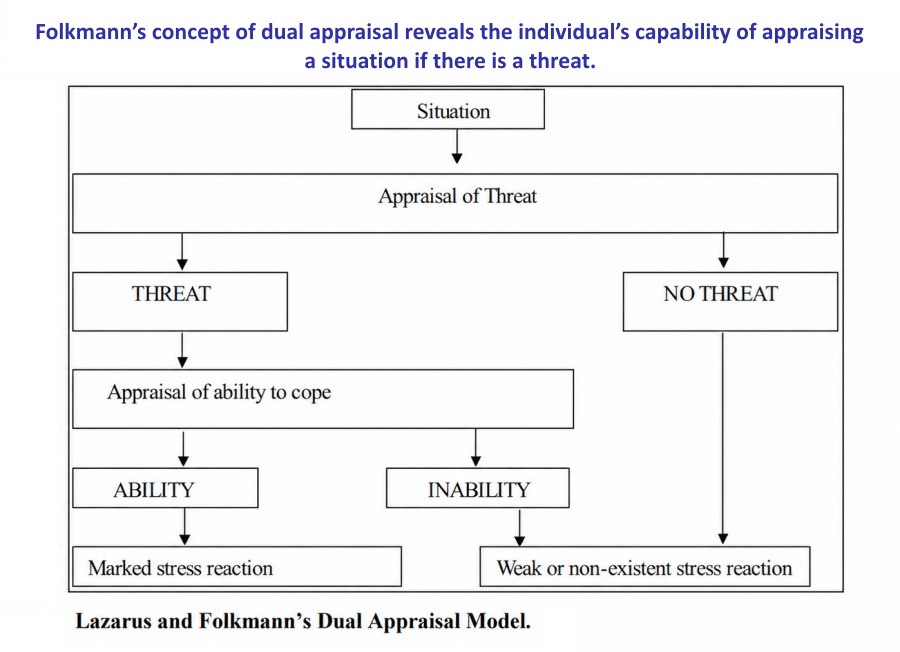
- High stress levels: Air traffic controllers work in a very fast-paced and demanding environment. They must be constantly focused and alert, as even a small mistake could have serious consequences. This can lead to high levels of stress and fatigue.
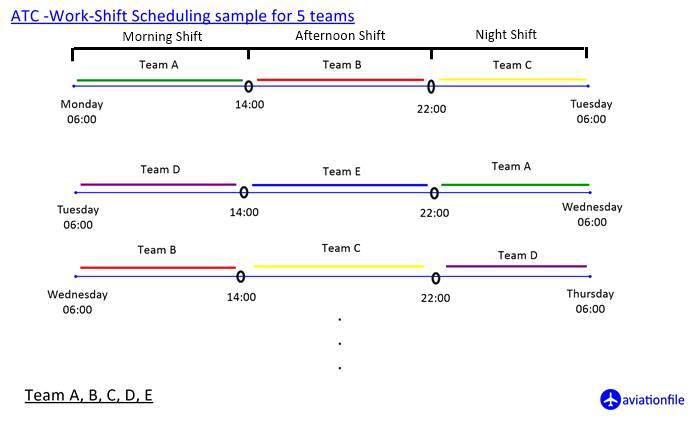
- Unpredictable work schedule: Air traffic controllers often work irregular hours, including nights, weekends, and holidays. This can make it difficult to maintain a work-life balance.
- Shift work: Air traffic controllers often work shifts that are longer than eight hours. And they may be required to work rotating shifts. This can be disruptive to sleep patterns and overall health.
- Limited career advancement opportunities: Air traffic controllers typically start their careers at a lower level and work their way up to more senior positions. However, advancement opportunities can be limited, especially in smaller control towers.
Operational Complexity and Workload
Air traffic control workload is not determined only by the number of aircraft being handled. In many situations, operational complexity becomes a far more demanding factor than traffic volume itself.
A sector with relatively moderate traffic can quickly turn into a high-workload environment during thunderstorms, low visibility conditions, runway changes, or unexpected operational disruptions. Controllers may need to reorganize traffic flows within seconds while maintaining safe separation and ensuring efficient coordination with adjacent units.
Because of this, the profession requires constant situational awareness, rapid decision-making, and strong communication skills under time pressure. Modern air traffic control is therefore considered a safety-critical environment where complexity, uncertainty, and operational dynamics directly influence controller workload and stress levels.
Article source
Loss of Situational Awareness for Air Traffic Controllers: A Safety Threat
Critical Incidents and Psychological Pressure
Air traffic controllers may occasionally experience critical operational events such as emergencies, serious incidents, or loss-of-separation situations.
Research shows these events can produce significant emotional and cognitive stress responses, including anxiety, sleep disruption, heightened alertness, and concentration difficulties. Because of this, many ANSPs implement Critical Incident Stress Management (CISM) programs to support controllers after major operational events.
References:
- Bureau of Labor Statistics: https://www.bls.gov/ooh/transportation-and-material-moving/air-traffic-controllers.htm
- eurocontrol – Critical Incident Stress Management (CISM)
- aviationfile: https://www.aviationfile.com/air-traffic-controller/
Good article 👍🏻