
Those who are interested in aviation have seen and wondered about the numbers on both ends and beginnings of the runways; these are called “runway designators.” So, what are these numbers and letters for?
The numbers correspond to the magnetic direction in the area where the runway is located. A compass is needed to find the magnetic location. When you take a world map and put your compass next to it, you will see that 0 degrees points to north, 90 degrees to east, 180 degrees to south, and 270 degrees to west. North is usually expressed as 360 degrees instead of 0 degrees, although both mean the same thing in aviation. The compass shows 360 in the north, 180 in the south, 270 in the west and 90 in the east. Runways are named according to the value closest to the radial on the compass. The 3-digit number showing the direction on the compass is rounded down to 2 digits.
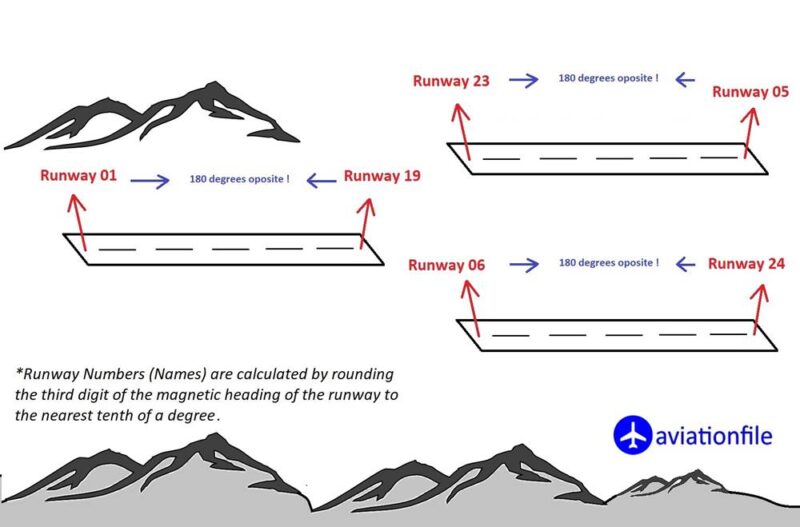
When numbering the runways, the values of the magnetic compass are used, not the geographic ones. The reason why the runways are numbered on both sides is that planes can land and take off from both sides. The numbers of the opposite directions of the runways are 180 degrees opposite each other, so there are 18 differences between these designators. For example, consider the runway designators of London Heathrow Airport: 09L-27R and 09R-27L are runways.
Some runway designators have the letters L, C, R and T next to them. What are these letters and what are they for?
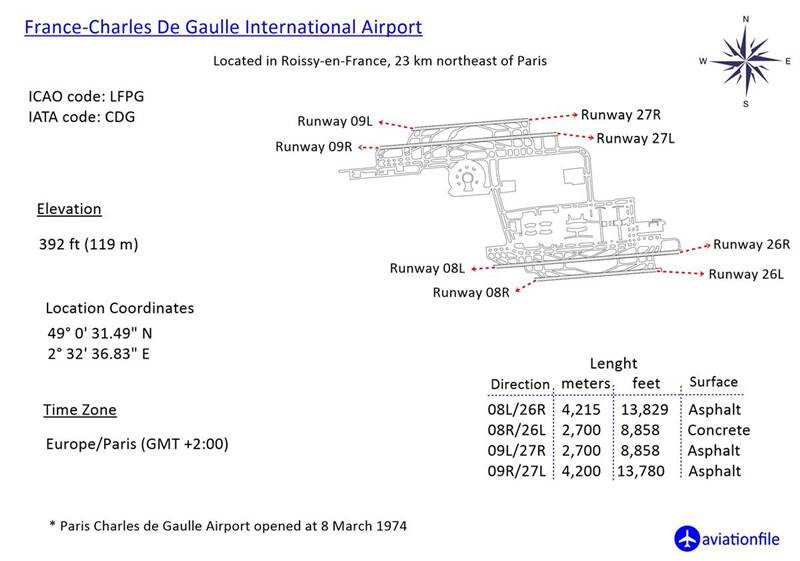
Some airports have more than one runway in the same direction (parallel). London Heathrow Airport also has two runways parallel to each other. Runways 09L-27R and 09R-27L. This means that runway 09L is on the left of the runways in the same direction. The first letter of the word “Left,” “L,” is located next to the 09. Likewise, runway 09R indicates the right one of the two runways in the same direction (right, “R”).
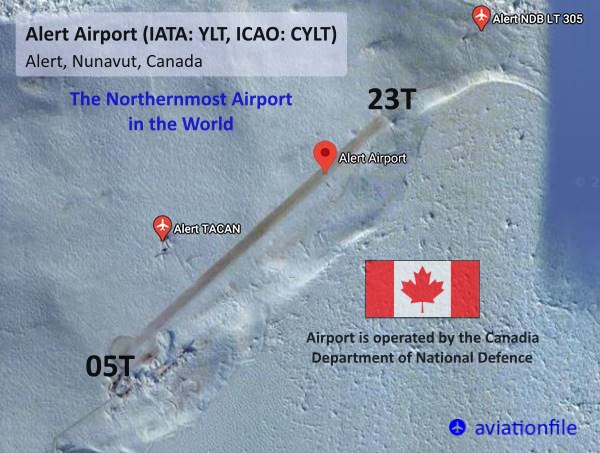
There is also a letter T other than these letters. The letter “T” is used in airports that are close to the north pole. For example, Alert Airport runway designators in the north of Canada are 05T / 23T.
In addition to all these, there is another issue we need to pay attention to. Runway numbers can change over time, as the magnetic north shifts. For example, the 05-23 runway of Istanbul Atatürk Airport has been changed due to the magnetic north change. Previously known as the 06-24, it has been changed to 05-23 due to this change.
Finally, one more point needs to be explained. Airports with heavy air traffic load can have more than one runway. Some of these runways may be parallel to each other, in the same direction, or sometimes in different directions. For example ROME FIUMICINO AIRPORT.
Multiple Parallel Runways at Large Airports
At very large airports with more than three parallel runways, standard runway suffixes such as Left (L), Center (C), and Right (R) may no longer be sufficient. In these cases, ICAO guidance allows airports to use slightly different runway numbers to avoid confusion and maintain clear pilot and ATC communications.
For example, instead of using the following:
- 18L / 18C / 18R / 18X
An airport may adopt a configuration such as:
- 17L / 17R / 18L / 18R
even though the runways are nearly parallel and have very similar magnetic orientations.
This system helps reduce communication complexity and minimizes the risk of runway misidentification during high-traffic operations. A well-known example is Los Angeles International Airport, where parallel runway groups use slightly different runway numbers despite having similar alignments. Operationally, this also improves situational awareness for pilots and air traffic controllers, especially during simultaneous parallel approaches and departures.
Operational Perspective
Runway renumbering creates a coordinated operational process involving airports, air traffic control units, airlines, chart providers, and navigation database suppliers. Even a small magnetic shift may require updates to signage, approach procedures, NOTAMs, ATIS broadcasts, and pilot documentation to maintain situational awareness and prevent runway confusion.
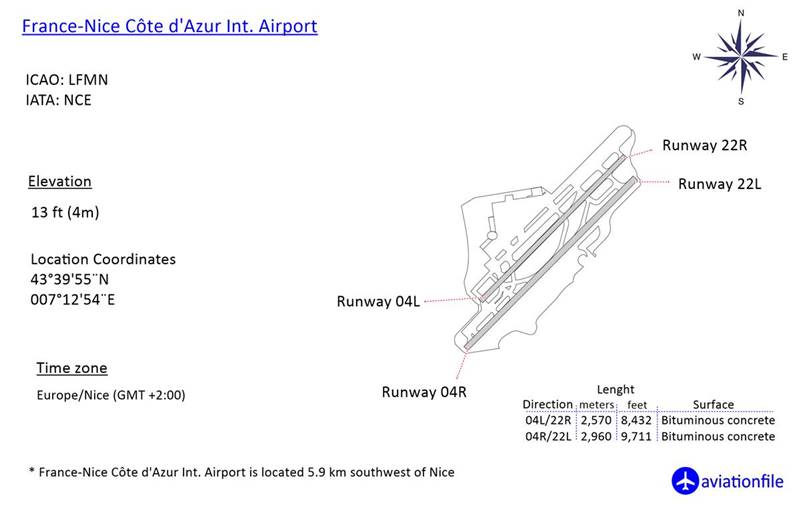
You can examine the runways of some airports around the world in the figures below.
For more Articles click.
References and further reading: https://skybrary.aero/airports/cylt