
Software as a service (SaaS) is a cloud-based delivery model in which software applications are provided to customers over the internet. In SaaS, users can access software applications without having to install or maintain the software on their own computers. Instead, the software is hosted and managed by a third-party provider, who is responsible for its performance, availability, and security. Let’s look at some Saas applications in Air traffic control.
SaaS has become increasingly popular due to its scalability, flexibility, and cost-effectiveness. It allows businesses to access the latest software applications without having to invest in expensive hardware and IT infrastructure. Additionally, SaaS applications can be customized and integrated with other business tools to create a more streamlined and efficient workflow.
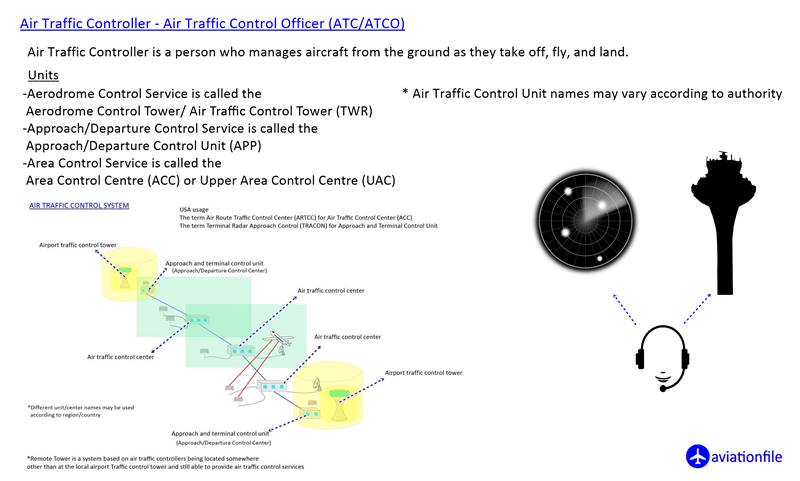
SaaS is becoming increasingly common across the broader Air Traffic Management (ATM) ecosystem, particularly for simulation, analytics, information sharing, training, and operational support applications. ATC is a critical part of the aviation industry, and it requires sophisticated software tools to manage the flow of air traffic and ensure the safety of passengers and crew. SaaS applications are ideal for ATC because they can be quickly and easily deployed to multiple locations, and they can be customized to meet the specific needs of each air traffic control center.
Some Examples of Saas in ATC
One example of SaaS in ATC is the Air Traffic Control Tower Simulator (ATC-TS) developed by Adacel. The ATC-TS is a cloud-based software application that provides realistic simulations of air traffic control operations. It allows trainees to practice different scenarios and learn how to manage air traffic in a safe and controlled environment. The ATC-TS is hosted by Adacel, and it can be accessed by trainees from anywhere in the world.
Another example of SaaS in ATC is the Aireon system developed by Aireon LLC. Aireon is a space-based ADS-B (Automatic Dependent Surveillance-Broadcast) system that provides real-time tracking of aircraft anywhere in the world. The Aireon system is hosted in the cloud, and it can be accessed by air traffic control centers and airlines around the globe. The Aireon system uses SaaS to provide a scalable and cost-effective solution for air traffic surveillance.
Recommended: What is SWIM in Aviation? System Wide Information Management
Operational Certification and Regulatory Compliance
While cloud-based SaaS solutions offer significant advantages, operational air traffic control systems must meet stringent certification, safety, and reliability requirements before they can be deployed in live environments. Systems supporting ATC operations are subject to rigorous regulatory oversight and must demonstrate high availability, redundancy, cybersecurity, and compliance with aviation standards established by authorities such as ICAO and national regulators. As a result, many Air Navigation Service Providers (ANSPs) adopt hybrid or private cloud architectures for safety-critical applications, using SaaS primarily for operational support, data sharing, analytics, training, and administrative functions rather than replacing the core ATC infrastructure.
In conclusion, SaaS has become a crucial tool in the aviation industry, particularly in the field of air traffic control. SaaS applications provide a flexible, scalable, and cost-effective solution for managing air traffic and ensuring the safety of passengers and crew. The examples of the ATC-TS and Aireon system show how SaaS can be used to provide innovative and effective solutions to complex problems in the aviation industry.
References:
- Adacel. (2022). Air Traffic Control Tower Simulator (ATC-TS). Retrieved from https://www.adacel.com/air-traffic-control-tower-simulator/
- Aireon. (2022). Aireon Space-Based ADS-B. Retrieved from https://aireon.com/what-we-do/ads-b/
- Salesforce. (2022). What is SaaS? Retrieved from https://www.salesforce.com/products/what-is-saas/